
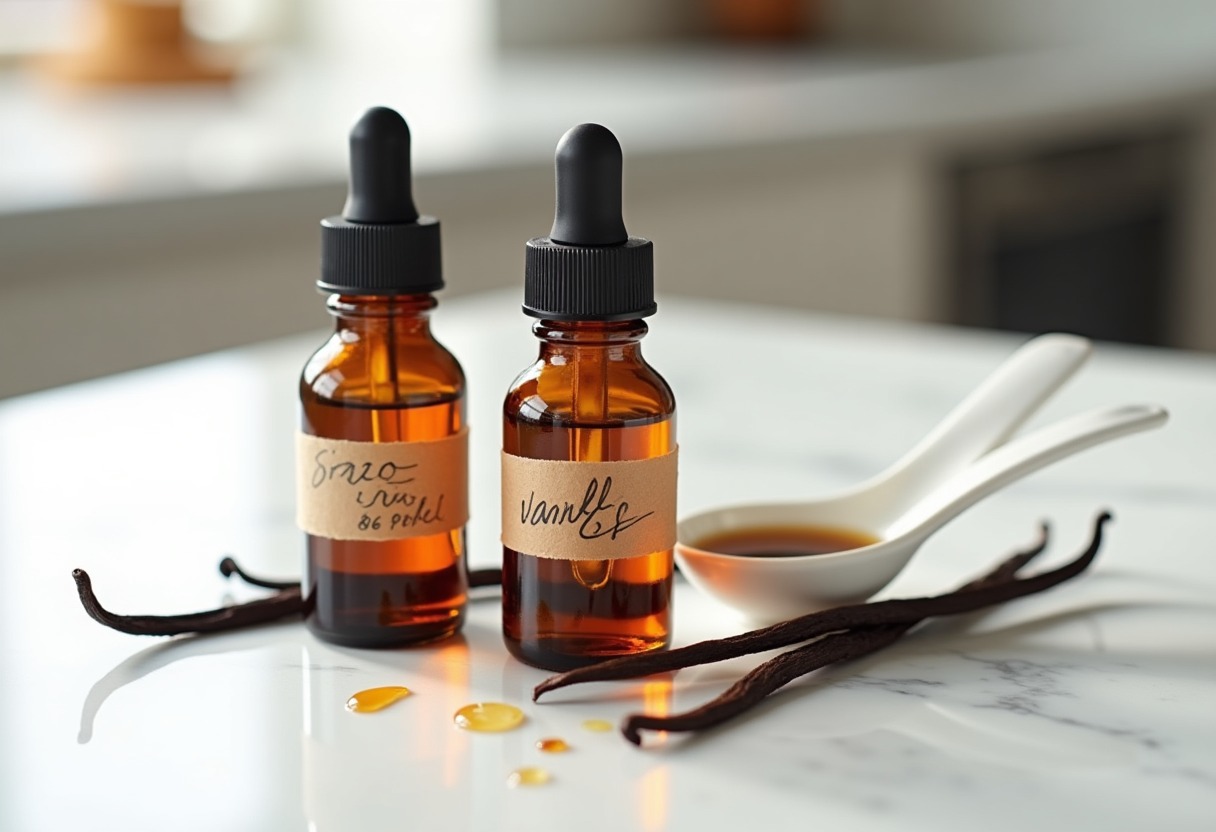
Your homemade vanilla extract sits patiently on the shelf, but weeks pass without knowing if you're building the rich, complex flavor you want. Testing strength and quality during the aging process prevents months of disappointment and helps you understand when your extract reaches peak potency.
Why Extract Testing Matters During Aging
Most home vanilla makers rely on guesswork and calendar dates, missing the subtle indicators that reveal extract development. Professional flavor houses use sensory evaluation and analytical testing to track extraction progress, techniques you can adapt for your kitchen laboratory.
The FDA requires commercial vanilla extract to contain at least 13.35 ounces of vanilla beans per gallon of 35% alcohol solution, but homemade extract follows no such restrictions. Your beans, alcohol choice, and aging conditions create unique extraction patterns that standard timelines can't predict.
Extract strength develops in phases: initial alcohol extraction pulls surface compounds within days, deeper cellular breakdown releases vanillin over weeks, and final maturation balances harsh notes over months. Testing at regular intervals maps your extract's journey and identifies the optimal harvest window.
The Complete Testing Protocol
Start testing your extract after two weeks of initial extraction, then weekly through month three, then monthly thereafter. Each test session requires five minutes and uses less than a teaspoon of extract, making it sustainable for small batches.
Color assessment provides the first quality indicator. Pour extract into a → Shop small glass dropper bottles on Amazon against a white background under natural light. Week-old extract appears pale amber, developing into rich brown by month one. Deep mahogany color usually indicates adequate extraction, while persistent pale color suggests insufficient bean-to-alcohol ratio or inactive beans.
Aroma evaluation reveals extraction completeness better than color alone. Place a few drops on a white ceramic spoon and let alcohol evaporate for thirty seconds. Fresh extract smells sharp and alcoholic, maturing extract develops sweet, woody notes with floral undertones. The absence of harsh alcohol burn indicates proper aging, while persistent medicinal odors suggest insufficient time or poor bean quality.
Taste testing requires careful technique since raw extract tastes stronger than it performs in baking. Place two drops on your tongue, allow full contact, then evaluate. Young extract burns with alcohol heat, developed extract shows vanilla sweetness with wood undertones, and over-extracted samples taste bitter or astringent.
Visual inspection of the beans themselves tells the extraction story. Properly extracted beans lighten in color and become pliable, while underextracted beans remain dark and rigid. Beans that disintegrate completely suggest over-extraction or poor initial quality, as detailed in our guide to Best Vanilla Beans For Extract.
Strength Testing Comparison Methods
| Testing Method | Time Required | Accuracy Level | Best Used For | Equipment Needed | |---------------|---------------|----------------|---------------|------------------| | Color Card Comparison | 1 minute | Moderate | Quick daily checks | Printed color reference | | Aroma Intensity Scale | 2 minutes | High | Weekly assessments | Clean spoons, note cards | | Taste Profile Mapping | 3 minutes | Very High | Monthly deep evaluation | Palate cleanser, scoring sheet | | Bean Flexibility Test | 1 minute | Moderate | Physical extraction progress | Clean hands only |
Professional bakers often use a simple baking test to assess real-world performance. Mix one teaspoon of extract into basic sugar cookie dough, bake a single cookie, and evaluate vanilla presence in the finished product. This method reveals how your extract performs under heat and in combination with other flavors.
Temperature affects testing accuracy significantly. Extract stored in cool conditions (60-65°F) develops differently than extract kept at room temperature. Test at consistent temperatures and note storage conditions in your testing log for meaningful comparisons.
Essential Testing Equipment and Supplies
Consistent testing requires minimal but specific equipment. → Shop vanilla extract tester bottles on Amazon for sampling without contaminating your main batch. Small bottles allow you to track multiple test samples from the same extraction batch.
A set of → Shop measuring spoons on Amazon dedicated to extract testing prevents cross-contamination from kitchen use. Stainless steel spoons won't absorb flavors or react with alcohol, maintaining testing accuracy across multiple sessions.
White ceramic or glass tasting spoons provide neutral backgrounds for color assessment and don't impart flavors during aroma evaluation. Many extract makers repurpose small ceramic condiment spoons for this purpose.
Documentation tools matter as much as testing equipment. A simple notebook tracking date, color, aroma intensity (1-10 scale), taste notes, and bean condition creates a valuable reference for future batches. Digital photos of color progression help identify patterns across different bean origins.
Consider keeping reference samples from successful batches in small bottles. These comparison standards help calibrate your palate and identify when new extracts reach similar quality levels. Store reference samples in the refrigerator to slow continued extraction and preserve their profiles.
Quality → Shop grain alcohol on Amazon ensures consistent results when preparing test batches or adjusting extraction ratios. The alcohol base significantly impacts extraction efficiency, as covered in our comprehensive guide Best Vodka For Vanilla Extract 2026.
Advanced Quality Assessment Techniques
Professional extract evaluation considers factors beyond basic taste and aroma. Mouthfeel assessment reveals extraction completeness - properly developed extract feels smooth and slightly viscous, while under-extracted samples feel thin and sharp.
The vanilla-to-alcohol balance determines extract quality more than absolute strength. Swirl extract gently and observe how quickly it settles. Quality extract shows slight viscosity and clings momentarily to glass surfaces, indicating sufficient extracted compounds dissolved in solution.
Temperature shock testing reveals extract stability. Place a small sample in the refrigerator overnight, then return to room temperature. Quality extract maintains clarity and doesn't develop cloudiness or separation, while poorly extracted samples may show instability.
Evaporation testing simulates baking conditions. Place five drops of extract on a small plate and let stand for ten minutes. The remaining residue should smell intensely of vanilla without harsh alcoholic notes. Bitter or off-flavor residues indicate extraction problems or bean defects.
Blending tests help optimize extract strength for specific uses. Mix your extract with commercial vanilla in different ratios to identify your extract's relative strength and flavor contribution. This comparison helps determine when homemade extract can fully replace store-bought versions in recipes.
Many extract makers overlook the importance of pH testing, but acidity levels affect both extraction efficiency and flavor development. Vanilla extract naturally maintains slightly acidic pH (4.0-5.0), which helps preserve flavor compounds and prevent microbial growth. Home pH testing strips provide adequate accuracy for monitoring this parameter.
FAQ
How often should I test my vanilla extract during the aging process? Test every two weeks for the first two months, then monthly thereafter until you achieve the desired strength and flavor profile. More frequent testing wastes extract and doesn't provide meaningful additional information since extraction changes occur gradually over weeks, not days. Keep detailed notes of each testing session to track progression patterns and identify the optimal harvesting window for your specific bean and alcohol combination.
What's the minimum aging time before testing can provide meaningful results? Wait at least two weeks before conducting your first comprehensive test, though you can observe color changes within the first few days. Initial extraction pulls surface compounds quickly, but meaningful vanilla flavor development requires cellular breakdown that takes weeks to manifest. Testing too early wastes extract and provides misleading results since the harsh alcohol notes haven't had time to mellow and integrate with extracted vanilla compounds.
Can I use my extract for baking before it reaches full maturation? Yes, extract becomes usable for baking after 4-6 weeks, though it continues improving for months. Use partially matured extract in recipes where vanilla plays a supporting role rather than starring as the primary flavor. The extract's strength will be lower than fully aged versions, so you may need to increase quantities by 25-50% in recipes calling for store-bought extract until your homemade version reaches full potency.
How do I know if my extract has gone bad or developed off-flavors during aging? Properly made vanilla extract stored in suitable conditions doesn't spoil due to its high alcohol content, but it can develop off-flavors from contamination or poor-quality beans. Warning signs include musty, moldy, or sour aromas that persist after alcohol evaporation, visible mold growth on beans, or unusual cloudiness that doesn't clear when warmed to room temperature. If you detect any of these issues, discard the batch and start fresh with clean equipment and quality ingredients.
What should I do if my extract tastes too weak after several months of aging? Weak extract after extended aging usually indicates insufficient bean-to-alcohol ratio rather than inadequate time. Add more beans to strengthen the extraction - use approximately 3-4 → Shop vanilla bean pods on Amazon per cup of existing extract and age for another 4-8 weeks. Alternatively, you can reduce the extract by gentle heating to concentrate flavors, though this requires careful temperature control to avoid damaging delicate vanilla compounds. Check our guide How Many Vanilla Beans Per Cup Of Vodka for proper ratios.
Testing vanilla extract strength transforms guesswork into precision, ensuring every batch reaches its full potential before you commit it to your most treasured recipes.
Some links on this page are affiliate links. We may earn a small commission if you purchase through them, at no extra cost to you.
As an Amazon Associate we earn from qualifying purchases. This article contains affiliate links; if you buy through them we may earn a small commission at no additional cost to you.