
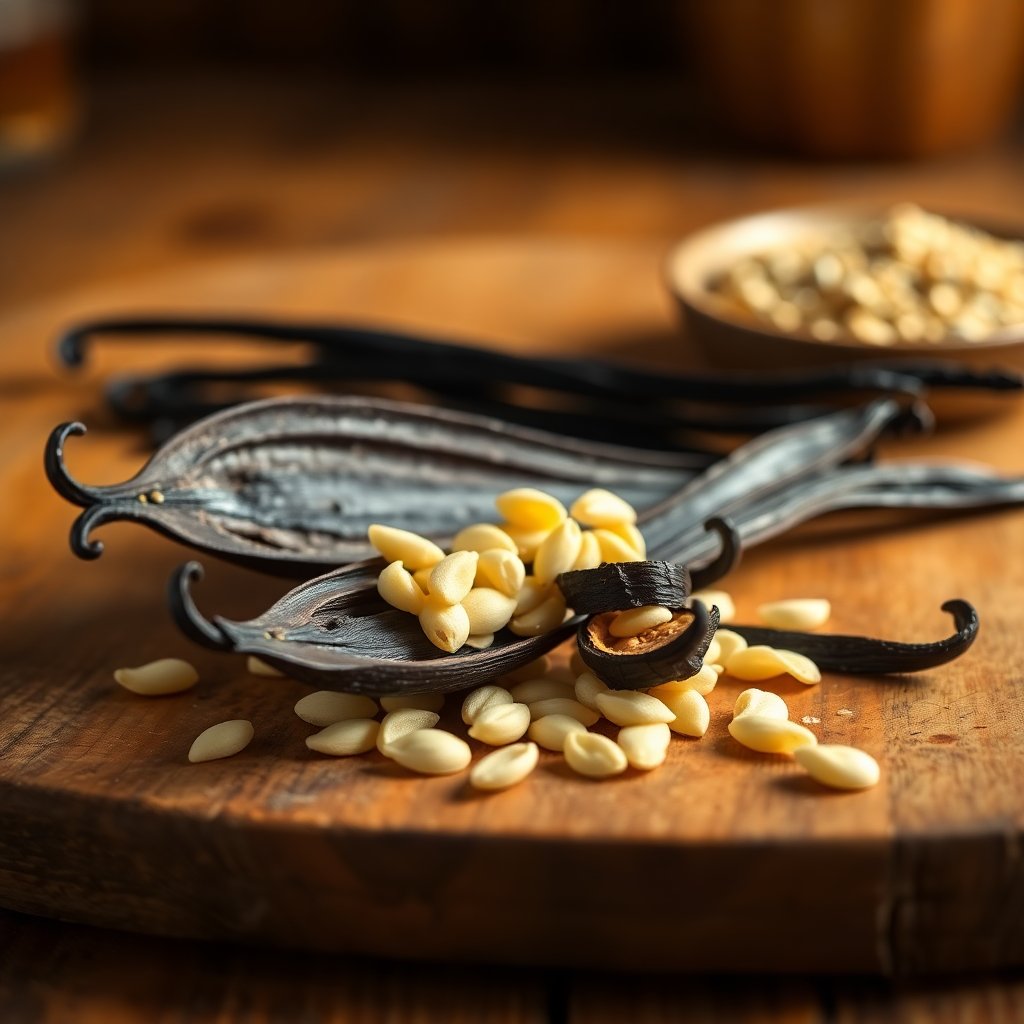
A jar of dark, finished homemade vanilla extract is a lovely thing on its own, but it isn't yet a gift. The difference between a cloudy mason jar shoved in a gift bag and a bottle someone keeps on the counter and shows off comes down to a few small decisions: the right bottle, whether to strain, and a label that tells the recipient what they're holding and how to use it. None of it is hard, and most of it can be done in an afternoon once the extract itself is ready.
This guide walks through the whole bottling-for-gifts process, from choosing containers to what exactly to write on the label. If you started a batch back in the summer with the holidays in mind, this is the last mile.
As an Amazon Associate we earn from qualifying purchases at no extra cost to you.
Start with extract that's actually ready
Before any bottling happens, make sure the extract is worth giving. Homemade vanilla is at its best somewhere between three and four months of aging, when the color has deepened to a rich brown and the raw alcohol bite has mellowed into something rounded and aromatic. Eight weeks is the practical floor; anything younger will taste sharp and look pale in a clear gift bottle, where there's nowhere to hide.
If your batch is still thin or hazy, sort out why before you decant it. Weak color usually means too few beans or not enough time, and a milky look is often just suspended seeds — both are covered in detail in our guide to why homemade vanilla extract goes cloudy or weak. And if you're reading this in late summer or early fall wondering whether there's still time, our breakdown of when to start a batch for Christmas gifting lays out the timeline.
Choose the right gift bottle
The bottle does most of the visual work, so it's worth getting right.
Size: think small
Grocery-store extract usually comes in one- to two-ounce bottles, and that's the sweet spot for gifts too. A little vanilla goes a long way in the kitchen, so a 2-ounce or 4-ounce bottle feels generous without being wasteful, and it lets you make more gifts from a single batch. A standard 8-ounce batch of extract fills roughly four 2-ounce bottles — four gifts from one jar.
Material: amber or clear glass, never plastic
Amber glass is the traditional choice because it filters out light that slowly degrades flavor and aroma over months on a counter. It also looks unmistakably like a "real" product. Clear glass shows off the deep color you worked months to develop, which is its own kind of appeal, but clear bottles are best kept in a cupboard rather than on a sunny windowsill. Either way, use glass — plastic can pick up odors and doesn't hold up to a high-alcohol liquid as gracefully.
→ Shop 2 oz amber glass bottles on Amazon
Closure: screw caps over cork
It's tempting to reach for a rustic cork-topped bottle, but skip it for extract. Vanilla extract is high-proof alcohol, and cork can dry out, shrink, and let the liquid slowly evaporate or leak — which is exactly what you don't want in a gift that's meant to sit for a while. A tight screw cap or a swing-top with a rubber gasket seals far better and keeps the alcohol strength stable. If you love the look of a cork, save it for a bottle that will be used up quickly rather than one meant to age on a shelf.
To strain or not to strain
This is the one genuine judgment call in the process.
Leave the beans in and the bottle looks handsome, keeps extracting and deepening over time, and signals that it's the real, from-scratch article. The downside is loose seeds and a bit of haze, and a bean tip poking above the liquid line can eventually invite mold — so cut any included bean to sit fully below the fill line.
Strain it clear and you get a polished, professional-looking bottle with no floating sediment, closer to what people expect from a store shelf. To do it, pour the extract through a coffee filter or a few layers of fine cheesecloth into a clean measuring cup, then funnel it into the bottles.
A nice middle path many gift-givers use: strain the extract clear for looks, then slip one fresh, clean half-bean into each bottle so it still reads as homemade and keeps developing. Just make sure that bean stays submerged.
Fill cleanly
A small kitchen funnel makes this painless and keeps sticky extract off the outside of the bottle, where it would ruin any label. Fill to just below the neck — leaving a little headspace — so the bottle doesn't overflow when the cap goes on. Wipe the rim and the shoulders with a clean cloth before capping. If you're filling several bottles, a funnel with a fine built-in strainer does double duty by catching stray seeds as you pour.
→ Shop small canning funnel set on Amazon
What to put on the label
A good label turns a bottle of brown liquid into something the recipient understands and trusts. Aim to include:
- A name. "Pure Homemade Vanilla Extract," or a personal touch like "Sarah's Kitchen Vanilla."
- The date it was started (or bottled). This is the single most useful thing you can write. Vanilla extract only improves with age, so a "brewed on" date tells the recipient it's still developing and reassures them it's fresh, not old.
- The base spirit, especially if it's anything other than vodka. Someone who prefers a bourbon or rum note — or who avoids certain spirits — will want to know. If you used bourbon, mention it; it's a selling point, as our roundup of the best bourbon vanilla beans explains.
- A short use note. Something like "The longer it sits, the deeper it gets. Keep the bean submerged and store cool and dark."
- An ingredients line, simply "vanilla beans, vodka (40% alc.)," which is a thoughtful touch for anyone who reads labels and matches how commercial extract is described under the FDA standard of identity for vanilla extract.
Print labels on water-resistant or oil-resistant adhesive sheets if you can, since extract is oily and a paper label can smudge. Kraft-paper labels tied on with twine are a charming low-tech alternative that sidesteps the smudging problem entirely.
→ Shop waterproof printable bottle labels on Amazon
A note on giving away alcohol-based extract
Homemade vanilla extract is alcohol-based, and that's completely normal — commercial pure extract is too, at a minimum of 35 percent alcohol by volume. Giving a bottle to friends and family as a food gift is an ordinary kitchen tradition. Where it gets into different territory is selling it, which can trigger food-production and alcohol-labeling rules that vary by state and aren't worth the headache for a hobby batch. As a homemade gift among people you know, though, a bottle of extract is no different from a jar of homemade jam or a tin of cookies. This is general information rather than legal advice; if you're planning to sell rather than gift, check your local regulations first.
Finishing touches that make it feel like a gift
Once bottled and labeled, a few small extras go a long way:
- A recipe card for something the extract shines in — a simple vanilla pound cake or a batch of shortbread — gives the gift a use and a story.
- Twine, a wax dip, or a fabric cap cover dresses up the neck of the bottle and hides a plain screw cap.
- A small tag with the "ready" date if the batch is on the young side, so the recipient knows to give it a few more weeks before the first pour.
- A pair or trio of different spirits — a vodka bottle and a bourbon bottle side by side — makes a memorable tasting-style set for a serious baker.
The bottom line
Bottling homemade vanilla extract for gifts is the easy, satisfying part after months of patient aging. Choose small glass bottles with tight screw caps, decide whether to strain for polish or leave a bean in for character, fill cleanly with a funnel, and label with a name and a start date so the recipient knows what they're holding and how it only gets better. Add a recipe card and a bit of twine, and a plain jar of dark liquid becomes the kind of homemade gift people actually remember.
Affiliate note: some links above are Amazon search links and, as an Amazon Associate, we earn from qualifying purchases at no extra cost to you.
As an Amazon Associate we earn from qualifying purchases. This article contains affiliate links; if you buy through them we may earn a small commission at no additional cost to you.