
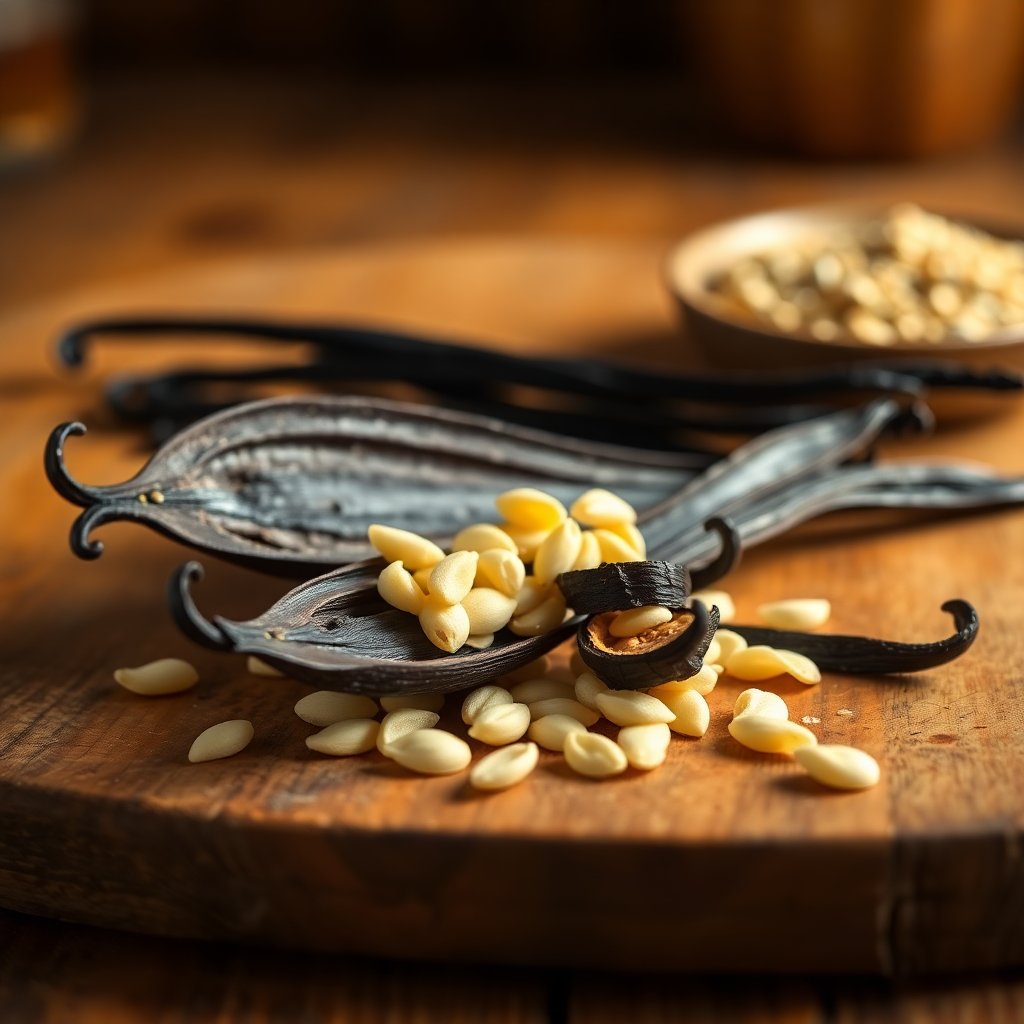
Peering at a jar of homemade vanilla extract that looks more like weak tea than deep amber elixir is a familiar disappointment. You did the work — split the beans, poured the vodka, tucked it in the cupboard — and weeks later it's cloudy, pale, or just plain thin on flavor. The good news is that almost every problem with a home batch traces back to one of a few specific, fixable causes. Once you know which one you're looking at, most cloudy or weak extract can be rescued rather than dumped.
This guide walks through the usual culprits in the order they matter, tells you how to tell them apart, and gives you a concrete fix for each. Whether you're troubleshooting a batch you started for holiday gifts or just want to know why your extract never got dark, the diagnosis is usually quicker than you'd expect.
As an Amazon Associate we earn from qualifying purchases at no extra cost to you.
First, decide: cloudy or weak? They're different problems
Before fixing anything, separate the two symptoms, because they have different causes and different solutions.
Cloudy means the liquid looks hazy, milky, or has suspended particles — you can't see clearly through the jar even when it's a reasonable color. This is almost always a physical or safety issue, not a flavor one.
Weak means the extract is thin, pale, or tastes sharp and boozy without much vanilla depth, even though the liquid itself is clear. This is nearly always an extraction issue: not enough beans, not enough time, or not enough alcohol strength.
A batch can be one, the other, or both. Sort your jar into these buckets first, then read the matching section below.
Why your extract is weak or pale (and how to fix it)
Weak extract is the most common complaint, and it's usually the easiest to solve because the fix is almost always "add more" of something.
Cause 1: Too few beans
This is the number-one reason homemade extract underwhelms. The reliable standard, consistent with the FDA standard of identity for vanilla extract, is roughly one ounce of beans per eight ounces (one cup) of alcohol — in practice about five to six average beans per 8-ounce bottle. Skimp to two or three beans and you get exactly what you're seeing: pale, thin, and slow.
The fix: Add more beans. Split three or four additional pods and drop them straight into the existing jar. You don't need to start over — the fresh beans will keep extracting into the same alcohol. If you routinely run short, buying in bulk is cheaper per bean, and 2026 happens to be an unusually good year for it, as covered in our look at why vanilla prices hit a decade low.
→ Shop Grade B extract vanilla beans in bulk on Amazon
Cause 2: Not enough aging time
Extraction is governed by time, not effort. At two weeks, even a well-loaded jar looks pale and tastes boozy — that's normal, not a failure. The eight-week mark is the floor, and the real payoff comes around three to four months, when the color deepens to rich brown and the alcohol bite softens.
The fix: Wait. If your batch is only a few weeks old, it isn't weak — it's young. Put it back in the cupboard and check again in a month. For the full month-by-month timeline of what to expect, our guide on how long vanilla extract needs to age breaks down each stage.
Cause 3: Alcohol proof too low
Extraction needs at least 35 percent alcohol by volume (70 proof) to pull vanillin and the other aromatic compounds out of the beans efficiently and to keep the batch shelf-stable. Use something weaker — a 60-proof flavored spirit, say — and extraction stalls out and stays thin no matter how long you wait.
The fix: Check your bottle's proof. If it's under 70 proof, you can partly rescue the batch by topping it up with a splash of higher-proof neutral spirit to raise the overall strength, then giving it more time. For a fresh batch, stick with 80-proof (40 percent) vodka as the reliable default.
→ Shop food-grade vodka for extract on Amazon
Cause 4: Whole, unsplit beans
If you dropped beans in whole without splitting them, the alcohol can only reach the outside of the pod. Splitting exposes the seed-packed interior and dramatically increases surface contact.
The fix: Fish the beans out, run a paring knife down each one lengthwise to open it, and drop them back in. You'll usually see faster darkening within a couple of weeks.
Why your extract is cloudy (and whether to worry)
Cloudiness looks alarming, but it's usually harmless — with one important exception you should rule out first.
The one thing to check: mold
Rule out mold before anything else. If any part of a bean was poking above the alcohol line, it can grow mold, which may appear as fuzzy spots, a film on the surface, or stringy cloudiness clustered near a bean tip. Genuine mold means the batch is not safe to use. When in doubt, our guide to making vanilla extract with whiskey covers proof and safety basics that apply here too. This is a food-safety call, so err on the side of caution: if it looks or smells genuinely off, discard it.
Assuming mold is ruled out, the remaining causes of cloudiness are cosmetic and fixable.
Cause 1: Bean sediment and seeds
The single most common source of harmless cloudiness is simply loose vanilla seeds and fine bean particles suspended in the liquid. Split beans shed thousands of tiny seeds, and every shake stirs them back up. This is normal — many commercial "pure" extracts look hazy for the same reason.
The fix: Let the jar sit undisturbed for a few days and most of the sediment settles to the bottom. If you want crystal-clear extract, strain it through a coffee filter or fine cheesecloth into a clean bottle when it's finished aging. Amber glass helps the finished product both look and keep better.
→ Shop 8 oz amber glass bottles on Amazon
Cause 2: Bean oils and a natural haze
Vanilla beans contain natural oils and resins that can create a faint, permanent haze in the alcohol, especially with oil-rich Grade A beans. This is completely normal and doesn't affect flavor or safety at all.
The fix: Nothing required — this haze is a sign of a bean-rich, flavorful batch. If the look bothers you, filtering at bottling time reduces it. For extract specifically, drier Grade B beans tend to throw less oily haze while delivering more concentrated flavor, which is why they're the traditional extraction choice.
Cause 3: Temperature swings
Store extract somewhere that gets cold and the dissolved compounds can temporarily cloud up, a bit like the way some spirits go hazy when chilled. Bring it back to room temperature and the cloud usually clears on its own.
The fix: Keep the jar in a stable, cool, dark cupboard — not the fridge, not a windowsill. Room-temperature storage keeps the liquid clear and protects the flavor over the long haul.
A quick diagnostic checklist
Run your batch through these questions in order:
- Is there fuzz, film, or an off smell? If yes, treat it as possible mold and discard — safety first.
- How old is it? Under eight weeks and pale is normal. Give it time before judging.
- How many beans per cup? Fewer than five to six per 8-ounce bottle means add beans.
- What proof is the alcohol? Under 70 proof stalls extraction — top up with stronger spirit.
- Were the beans split? Whole beans extract slowly — pull them, split them, return them.
- Is it just seeds or oil haze? Harmless. Let it settle or filter at bottling.
Nine times out of ten, the answer lands on "too few beans" or "not enough time," and both are easy to correct without starting over.
How to keep the next batch from going wrong
Prevention is simpler than rescue. For a clear, strong, deep-amber batch every time:
- Load the beans. Five to six split beans per 8-ounce bottle, minimum. More is fine and only speeds things up.
- Use 80-proof neutral vodka as your default, or another spirit at 70 proof or higher.
- Split every bean lengthwise before it goes in.
- Keep everything submerged. Cut beans to fit so no tip pokes above the alcohol — this is your best defense against mold.
- Store cool, dark, and stable, and shake once a week.
- Wait at least eight weeks, ideally three to four months, before judging the result.
Get those six things right and you'll rarely see a weak or worryingly cloudy jar again.
The bottom line
A cloudy or weak batch of homemade vanilla extract is almost never a lost cause. Weak, pale extract just needs more beans, more proof, or more patience. Harmless haze from seeds and bean oils either settles out or filters away at bottling. The only genuine deal-breaker is mold, which you can prevent entirely by keeping the beans submerged. Diagnose the symptom, apply the matching fix, and give it time — and that disappointing jar of weak tea will usually turn into the deep amber extract you were after all along.
Affiliate note: some links above are Amazon search links and, as an Amazon Associate, we earn from qualifying purchases at no extra cost to you.
As an Amazon Associate we earn from qualifying purchases. This article contains affiliate links; if you buy through them we may earn a small commission at no additional cost to you.