
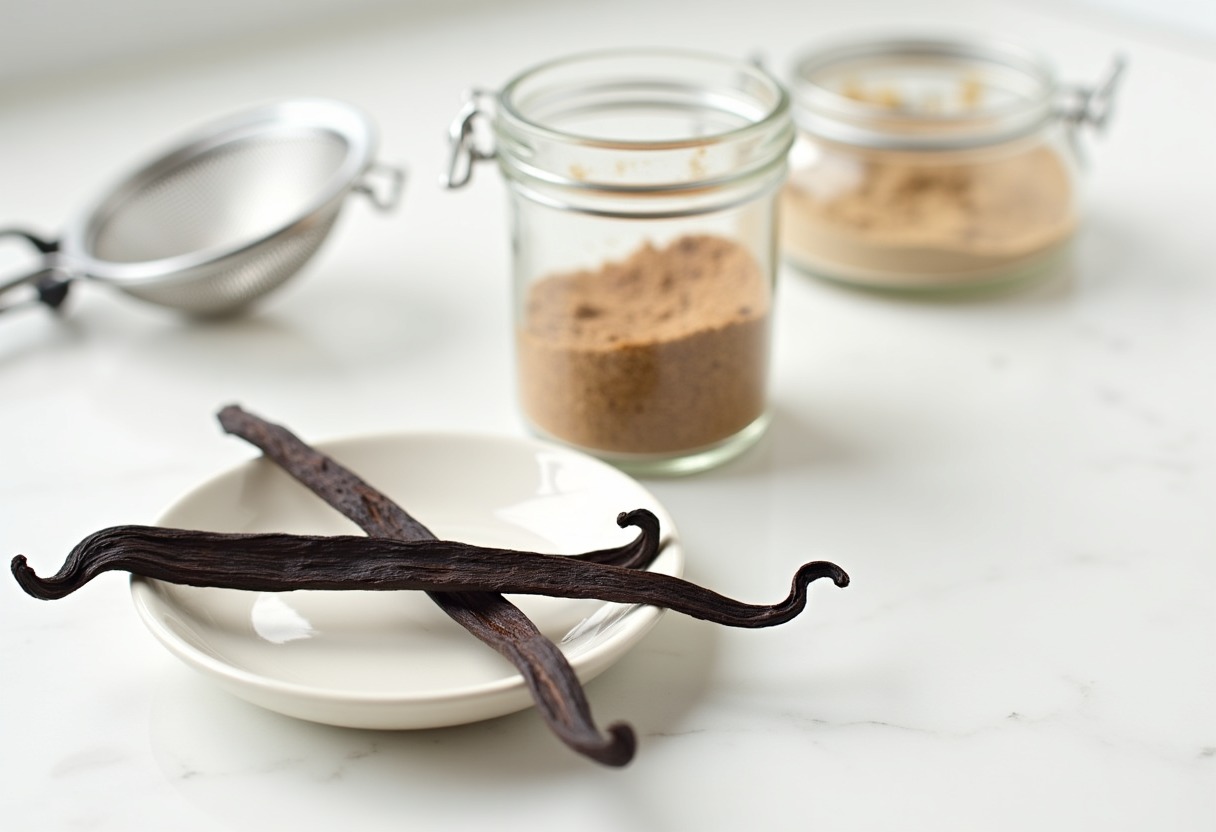
Your vanilla beans spent six months steeping in vodka, and the extract is perfect. The beans look depleted—pale, wrung out. But those pods still contain 30-40% of their original vanillin and hundreds of aromatic compounds that alcohol doesn't fully extract. Tossing them wastes money and flavor you've already paid for.
Why Spent Vanilla Beans Still Hold Value
When you make How To Make Homemade Vanilla Extract, alcohol extracts water-soluble and alcohol-soluble compounds—primarily vanillin, vanillic acid, and aromatic esters. But vanilla beans contain over 200 flavor compounds, and not all dissolve efficiently even after extended aging. According to FDA vanilla extract standards, commercial extract production often uses fresh solvent cycles on the same beans multiple times.
The caviar inside spent beans—those tiny black seeds—retains texture and visual appeal even when flavor diminishes. The pod walls still hold essential oils, lignin-bound vanillin, and fat-soluble compounds that require heat or mechanical breakdown to release. A bean that made first-run extract at the standard ratio from How Many Vanilla Beans Per Cup Of Vodka can produce a usable second extraction, flavor sugar for months, or enhance baked goods through direct incorporation.
Second Extraction: Making Weaker but Usable Extract
Pull your beans from finished extract, rinse them briefly under cool water to remove surface alcohol, and pat dry. They're ready for a second batch within 24 hours.
Ratio adjustments matter. First extraction typically uses 5-6 beans per cup of alcohol for single-fold strength. Second extraction needs 8-10 spent beans per cup to achieve similar potency. The resulting extract will be lighter—closer to single-fold if your first batch was double—but entirely functional for baking, coffee, and cocktails.
Use the same alcohol you prefer for first batches. Best Vodka For Vanilla Extract 2026 covers spirit choice, but spent beans work equally well in bourbon, rum, or brandy. The extraction timeline extends slightly: plan for 8-10 weeks minimum instead of the typical 6-8 for fresh beans.
Split the beans again. Even though they've been split once, running a knife lengthwise through spent pods one more time exposes additional surface area. The beans will be softer and easier to cut than fresh ones. This step isn't optional if you want decent flavor transfer.
Agitate the jar weekly. Spent beans release compounds more slowly than fresh ones, so passive steeping underperforms. Shake vigorously for 30 seconds each week, and store the jar in a dark cabinet at room temperature, following the same aging guidelines from Vanilla Extract Aging Time.
Uses for Spent Beans Beyond Extract
Once beans have gone through two extraction cycles, alcohol has pulled most of what it can. But you're not done yet.
| Method | Best Use Case | Shelf Life | Flavor Intensity | |------------|------------------|----------------|---------------------| | Vanilla sugar | Coffee, tea, baking | 6-12 months in sealed container | Medium—subtle but persistent | | Ground bean powder | Direct addition to batters, dry rubs | 4-6 months in airtight jar | High—concentrated pod matter | | Vanilla salt | Finishing salt, rim sugar for cocktails | Indefinite if kept dry | Low—gentle aromatic background | | Simmered vanilla milk | Custards, panna cotta, ice cream base | Use immediately | Medium—heat releases remaining oils |
Vanilla sugar transforms granulated sugar into a pantry staple. Bury 4-6 twice-spent beans in 2 cups of white or raw sugar. Seal the container and let it sit for 2-3 weeks, shaking every few days. The sugar absorbs residual vanillin and aromatic oils. When the sugar level drops from use, top it off—the same beans flavor fresh sugar for 6+ months. This is different from Vanilla Sugar Powder Pantry Staples, which uses fresh beans ground into powder.
For storage, → Shop glass sugar containers on Amazon with airtight seals prevent moisture absorption and preserve the vanilla aroma.
Bean powder requires complete drying first. Spread spent beans on a parchment-lined baking sheet and dry them in a 150°F oven for 2-3 hours, or leave them in a dehydrator at 135°F until they snap cleanly when bent. Brittle, fully dried beans grind into fine powder using a spice grinder. Add this powder directly to cookie dough, pancake batter, or spice blends at 1/4 teaspoon per serving. The powder contains fiber and insoluble flavor compounds that extract never captured.
A → Shop spice grinder electric on Amazon handles dried beans easily—look for models with stainless steel blades and at least 200-watt motors.
Vanilla salt combines 1/2 cup flaked sea salt with 2-3 finely chopped spent beans. Mix thoroughly, spread on a sheet, and let it air-dry for 24 hours. Use it on roasted vegetables, caramel desserts, or rim glasses for vanilla old-fashioneds. The salt draws out remaining moisture and flavor from the pods while adding mineral complexity.
Simmered milk infusion works when you need vanilla for a specific recipe but don't want to wait weeks. Add 2-3 spent beans to 2 cups of whole milk or cream, bring it to a bare simmer, then remove from heat and steep for 20-30 minutes. Strain out the pods and use the milk for custard, rice pudding, or ice cream base. Heat releases fat-soluble vanillin that cold extraction misses.
Product Recommendations for Bean Reuse
Fine mesh strainers separate bean particles from sugar or powder. A → Shop mesh strainer fine on Amazon with at least 200 microns catches pod fragments while letting sugar or ground powder pass through. Double-mesh designs prevent clogging when working with sticky, resinous bean material.
Small food processors handle chopping semi-dried beans for salt blends or coarse vanilla powder. If you don't want to dry beans fully before grinding, a → Shop mini food processor on Amazon with a 3-4 cup capacity chops pliable pods into 1-2mm pieces. This size integrates well into granola, oatmeal, or homemade tea blends.
Airtight storage jars matter more for reused beans than for fresh extract. Twice-spent beans are drier and more fragile, so moisture exposure causes mold faster. Glass containers with silicone-gasketed lids keep bean powder and vanilla sugar stable for months. Choose opaque or amber glass if storing in cabinets with intermittent light exposure.
Advanced Techniques Most Posts Skip
Freezing spent beans extends their usability. After first extraction, rinse beans, pat dry, and freeze them in a single layer on parchment paper. Once frozen solid, transfer to a freezer bag. Frozen beans hold their structure better than refrigerated ones, and you can add them directly to hot liquids—custards, syrups, simmering jams—without thawing. The cell walls rupture during freezing, which actually speeds flavor release when heat is applied.
Combining bean origins creates complexity in second extractions. If you've made separate batches with Madagascar Vs Tahitian Vanilla Beans, pool the spent beans from both batches into one second extraction. Madagascar's vanillin-forward profile blends with Tahitian floral notes to produce a more layered extract than either origin alone. This works especially well if you started with Best Vanilla Beans For Extract from different regions.
Third-use beans in compost still have value. After two extractions and a sugar-infusion cycle, vanilla pods break down quickly in compost bins. The remaining cellulose and trace sugars feed beneficial bacteria. Chop them into 1-inch pieces before adding to your bin—whole beans take months to decompose.
Bean paste from spent pods mimics commercial vanilla bean paste texture without the cost. Combine 6-8 twice-spent beans (dried and ground) with 1/4 cup of your homemade extract and 2 tablespoons of honey or corn syrup. Blend until smooth using an immersion blender. The result is thicker than extract, with visible specks, and measures 1:1 with commercial paste in recipes. Refrigerate for up to 3 months. This captures both alcohol-soluble and mechanical-extract flavor in one product, similar to the comparison in Vanilla Bean Paste Vs Extract.
FAQ
How many times can you reuse vanilla beans for extract? Twice is the practical maximum for extract-making. First extraction at standard ratios pulls 60-70% of soluble compounds. Second extraction with increased bean count captures another 20-30%. A third attempt yields liquid that barely qualifies as vanilla-flavored vodka—you're better off using those beans for sugar, powder, or direct cooking applications. Each successive extraction shows diminishing returns, and after two cycles, the beans contribute more texture than flavor to alcohol.
Do spent vanilla beans need to be dried before grinding into powder? Complete drying is non-negotiable for powder that stores safely. Beans with any remaining moisture grow mold within days when ground and stored. Oven-drying at 150°F for 2-3 hours removes enough water that beans snap cleanly when bent. Underdried beans bend without breaking, which means they'll clump in your grinder and spoil in storage. Test dryness by breaking a bean—it should fracture with an audible crack, and the interior should feel completely rigid, not leathery.
Can you make vanilla sugar with beans that made two extractions already? Yes, and it's one of the best uses for twice-spent beans. Even after two extraction cycles, pods retain aromatic compounds and trace vanillin that infuse sugar effectively. The process takes longer—plan for 3-4 weeks instead of 2—and the resulting sugar will be more subtle than sugar made with once-used beans. Use a ratio of 6-8 twice-spent beans per 2 cups of sugar instead of the typical 4-5. The beans stay productive in sugar for 4-6 months before their aroma fades completely.
Is second-extraction vanilla strong enough for baking? Second-extraction vanilla works in any recipe where you'd use single-fold extract. It measures roughly 60-75% the strength of your first batch, assuming you used 8-10 spent beans per cup of alcohol. For recipes calling for 1 teaspoon of extract, use 1.5 teaspoons of second-extraction vanilla to compensate. It performs identically to store-bought pure vanilla extract in cookies, cakes, and frostings. Where it falls short is in applications requiring intense vanilla presence—crème brûlée, vanilla buttercream, or ice cream—where you'd want double-fold strength from fresh beans as described in Double Extract Vanilla Beans.
How do you know when spent vanilla beans are completely exhausted? The beans turn pale tan or light brown, feel papery-thin, and tear easily when handled. After two alcohol extractions, they'll have lost most of their pliability and oils. Smell them—exhausted beans have a faint, flat aroma instead of the complex sweetness of fresh or once-used pods. If they've also spent 3-6 months in sugar, they'll feel brittle and dry. At this point, they've given up everything useful for flavoring. The only remaining value is in composting or using them as natural sachets in drawers—the trace scent still repels moths and adds subtle fragrance to linens.
Extract-making doesn't end when you decant the first bottle—your beans still have miles left in them.
Some links on this page are affiliate links. We may earn a small commission if you purchase through them, at no extra cost to you.
As an Amazon Associate we earn from qualifying purchases. This article contains affiliate links; if you buy through them we may earn a small commission at no additional cost to you.