
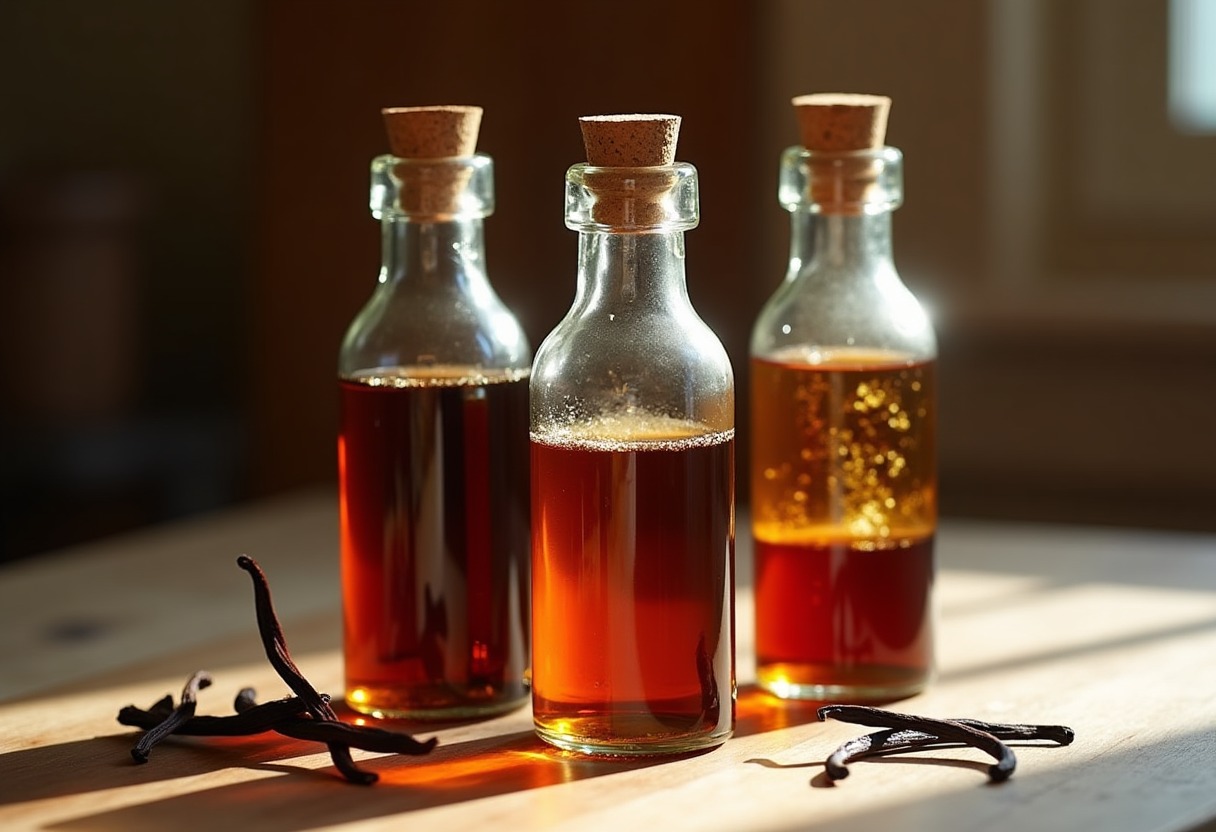
Your two-year-old homemade vanilla extract suddenly smells off, and you're wondering whether it's still safe to use in tonight's cake batter. Quality vanilla extract can last decades when stored properly, but specific warning signs signal when your precious extract has crossed the line from aged perfection to genuine spoilage.
Why Vanilla Extract Rarely Spoils (But Sometimes Does)
Pure vanilla extract contains at least 35% alcohol by volume, according to FDA standards, creating an environment hostile to most bacteria and mold. This high alcohol content acts as a natural preservative, explaining why commercial vanilla extracts often carry no expiration date. The alcohol effectively sterilizes the vanilla bean compounds as they dissolve, creating a shelf-stable product that improves with age.
However, homemade extracts face different challenges than their commercial counterparts. Home extraction methods may introduce contaminants, lower alcohol concentrations can reduce preservative effectiveness, and improper storage accelerates degradation. Understanding these vulnerabilities helps you identify when your extract has genuinely gone bad versus simply developing complex flavors through natural aging.
Clear Signs Your Vanilla Extract Has Spoiled
Visual inspection provides the most reliable spoilage indicators. Fresh vanilla extract ranges from clear amber to deep brown, depending on bean type and aging time. Spoiled extract develops visible mold growth, typically appearing as fuzzy white, green, or black spots floating on the surface or clinging to beans. Any cloudiness accompanied by sediment settling at the bottom suggests bacterial contamination, especially if the liquid appears milky or has an oily film.
Smell changes dramatically when vanilla extract spoils. Good extract smells sweet, woody, and distinctly vanilla-forward, even when young and harsh. Spoiled extract produces sour, vinegar-like odors, musty basement smells, or sharp chemical notes that make you recoil. Trust your nose—vanilla should never smell putrid, moldy, or fermented in an unpleasant way.
Texture alterations signal serious problems. Vanilla extract should flow like thin syrup or wine, never thick, stringy, or gelatinous. Spoiled extract may develop ropy strands when poured, indicating bacterial contamination that creates biofilms. Similarly, any fizzing, bubbling, or carbonation suggests unwanted fermentation from wild yeasts or bacteria.
The beans themselves reveal spoilage through visual cues. Healthy beans remain pliable and dark, even after years of extraction. Spoiled beans develop white fuzzy mold, become slimy or disintegrated, or show green patches that indicate fungal growth. Beans that smell putrid or have lost their vanilla aroma entirely signal extract failure.
Common Storage Mistakes That Ruin Extract
| Storage Mistake | Why It Ruins Extract | Proper Practice | Expected Shelf Life | |---|---|---|---| | Clear glass bottles | UV light degrades vanillin compounds | → Shop amber glass bottles on Amazon | 5+ years vs 2-3 years | | Warm storage locations | Heat accelerates alcohol evaporation | Store in cool, dark pantry (60-70°F) | Indefinite vs 1-2 years | | Poor bottle sealing | Alcohol evaporates, concentration drops | Use tight-fitting cork or cap with seal | Decades vs months | | Contaminated equipment | Introduces bacteria and mold | Sterilize all tools before use | Full shelf life vs immediate spoilage |
Temperature fluctuations cause the most extract damage over time. Storing vanilla extract near stoves, windows, or heating vents subjects it to temperature swings that expand and contract the liquid, potentially breaking seals and allowing contamination. Heat also speeds alcohol evaporation, gradually reducing the preservative concentration below effective levels. Your extract needs consistent coolness—ideally between 60-70°F in a dark pantry or cabinet.
Light exposure, particularly UV rays, breaks down vanillin and other flavor compounds that give vanilla its characteristic taste. Clear glass bottles offer no protection against this degradation, explaining why commercial producers always use dark containers. The damage accumulates slowly but irreversibly, turning vibrant extract into flat, lifeless liquid that lacks depth and complexity.
For more details on proper storage containers, see our guide on Best Glass Bottles Vanilla Extract Storage.
Product Recommendations for Optimal Extract Storage
Proper storage equipment prevents most spoilage issues before they start. → Shop airtight storage containers on Amazon specifically designed for extracts provide the best protection against air exposure and contamination. Look for containers with rubber gasket seals that create truly airtight environments.
Quality vanilla bean selection impacts extract longevity from the beginning. → Shop vanilla bean pods on Amazon from reputable suppliers reduces contamination risk. Grade B beans work excellently for extraction and typically carry fewer surface contaminants than decorative Grade A pods. For detailed bean selection guidance, read our Best Vanilla Beans For Extract comparison.
Alcohol choice directly affects preservation power. → Shop high proof vodka on Amazon with at least 40% ABV provides adequate preservation, but higher proofs offer better long-term stability. Our Best Vodka For Vanilla Extract 2026 guide covers specific brands that work exceptionally well.
A → Shop digital kitchen scale on Amazon ensures proper bean-to-alcohol ratios that maintain extraction strength and preservation effectiveness. Incorrect ratios can create weak extracts more susceptible to spoilage.
The Aging Paradox: When "Weird" Becomes Wonderful
Understanding the difference between spoilage and natural aging prevents premature extract disposal. Young vanilla extract often smells harsh, alcoholic, and unbalanced—characteristics that disappear with proper aging. During the first 6-12 months, your extract may develop strong alcohol notes, temporary cloudiness from tannin precipitation, or sharp medicinal odors that gradually mellow into complex vanilla depth.
Sediment formation deserves special attention because it often signals quality rather than spoilage. Vanilla beans naturally shed small particles during extraction, creating harmless sediment that settles at bottle bottoms. This sediment contains concentrated flavor compounds and actually indicates thorough extraction. However, distinguish this normal sediment from spoilage indicators: good sediment appears dark brown and granular, while contamination creates cloudy, floating particles with off odors.
Color changes throughout aging are completely normal and desirable. Extract starts light amber and gradually darkens to deep brown or nearly black, depending on bean variety and extraction time. Madagascar beans create golden-brown extracts, while Tahitian beans produce lighter, more golden liquids. Mexican beans often yield the darkest extracts with reddish undertones. These color progressions indicate successful extraction, not deterioration.
For more information on aging timelines, check our detailed guide on Vanilla Extract Aging Time.
Frequently Asked Questions
How long does homemade vanilla extract actually last compared to store-bought versions? Properly made homemade vanilla extract lasts indefinitely when stored correctly, often outlasting commercial versions due to higher alcohol content and lack of artificial additives. Store-bought extracts may contain stabilizers that extend shelf life but can also break down over time, while pure homemade extract only improves with age. The key difference lies in initial alcohol concentration—homemade extracts using 80-proof or higher spirits create more stable preservation environments than commercial extracts that may use minimum 35% alcohol content.
Can you still use vanilla extract that smells strongly of alcohol after years of aging? Strong alcohol smell in aged extract usually indicates insufficient aging time rather than spoilage, and the extract remains perfectly safe to use. Young extracts naturally smell harsh and alcoholic because vanillin compounds need months or years to fully develop and balance the alcohol notes. Continue aging the extract in proper storage conditions, and the alcohol smell will gradually subdue as vanilla flavors intensify. However, if alcohol smell is accompanied by sour, vinegar, or putrid odors, discard the extract immediately.
What should you do if you find one moldy bean in an otherwise clear extract? Remove the moldy bean immediately using clean tongs, then strain the entire extract through coffee filters or cheesecloth to remove any floating spores, but monitor the remaining extract closely for additional mold development over the following weeks. Mold on individual beans doesn't automatically contaminate the entire extract due to alcohol's antimicrobial properties, but it indicates compromised storage conditions that could affect other beans. If multiple beans show mold or the extract develops off odors within two weeks of bean removal, discard the entire batch to avoid health risks.
Why does some vanilla extract develop a white film on top, and is it dangerous? White film formation typically indicates either alcohol evaporation creating concentrated compounds or contamination from airborne yeasts, requiring immediate evaluation of smell and appearance to determine safety. Harmless white films appear thin and disappear when gently stirred, often accompanied by normal vanilla aromas and clear liquid beneath. Dangerous films appear thick, fuzzy, or persistent after stirring, usually accompanied by sour smells or liquid cloudiness. When in doubt, discard the extract rather than risk contamination, especially if storage conditions have been suboptimal.
How can you tell the difference between normal extract darkening and spoilage-related color changes? Normal aging produces gradual, uniform darkening from amber to deep brown with clear, transparent liquid, while spoilage creates sudden cloudiness, murky appearance, or unusual color shifts like green tinges or rainbow films on the surface. Healthy extract maintains transparency even when very dark, allowing you to see through the liquid clearly, whereas contaminated extract appears opaque or has floating particles that don't settle. Additionally, normal darkening occurs slowly over months or years, while spoilage-related changes happen rapidly within days or weeks of contamination.
Proper storage and regular monitoring keep your vanilla extract safe and flavorful for decades, transforming your patient investment into liquid gold that only improves with time.
Some links on this page are affiliate links. We may earn a small commission if you purchase through them, at no extra cost to you.
As an Amazon Associate we earn from qualifying purchases. This article contains affiliate links; if you buy through them we may earn a small commission at no additional cost to you.