
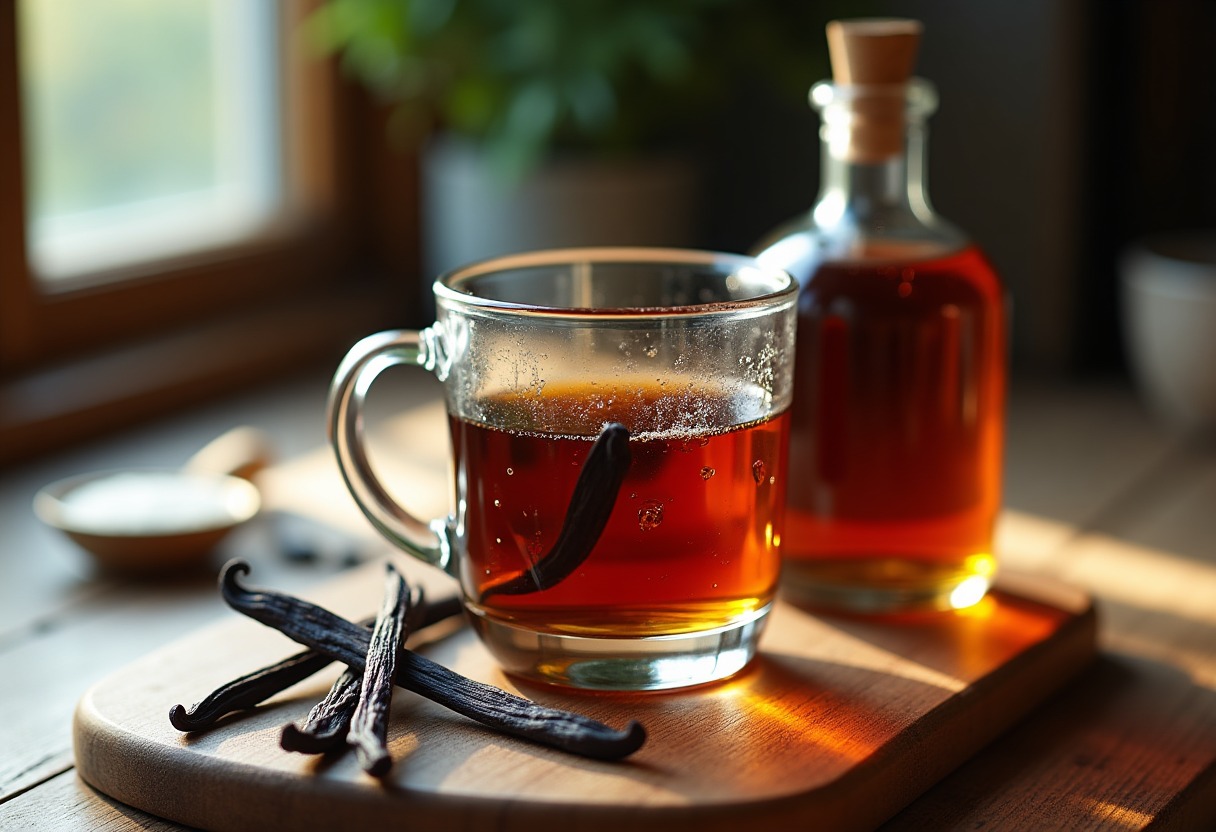
Rum-based vanilla extract brings warmth and molasses-forward depth that vodka can't match. The residual sugars and barrel aging in rum create darker extract with caramel undertones—perfect for spice cakes, gingerbread, and rich buttercream frostings where you want vanilla that announces itself.
Why Rum Changes Vanilla Extract Flavor
Rum contributes its own flavor compounds to the extraction process. Unlike vodka, which acts as a neutral carrier, rum adds diacetyl (buttery notes), furfural (caramel), and vanillin-adjacent phenols from oak barrel aging. These compounds interact with vanillin and over 250 other flavor compounds in vanilla beans to create a more layered final product.
The alcohol content matters less than the rum type. Most commercial rums range from 40-50% ABV (80-100 proof), which sits right in the FDA's minimum 35% alcohol requirement for vanilla extract. Higher-proof rums extract faster but won't necessarily produce better flavor—the sweet, woody character of the rum itself drives the difference.
Dark and aged rums work best because they've already developed complexity through barrel contact. White rum creates acceptable extract but tastes closer to vodka-based versions without the depth that makes rum extraction worthwhile.
Best Rum Types for Vanilla Extract
Dark Rum (Recommended)
Dark rum delivers the richest results. These rums spend years in charred oak barrels, picking up tannins, vanilla (yes, from the wood), and molasses character. The barrel-aging process creates melanoidins—brown compounds that add color and mouthfeel—which complement the phenolic structure of vanilla beans.
Flavor profile: Caramel, brown sugar, burnt sugar, oak, dried fruit
Best for: Chocolate desserts, spice cakes, rich custards, holiday baking
Aging time: 8-12 weeks minimum for full integration
→ Shop dark rum vanilla extract on Amazon
Aged Rum (Premium Option)
Rums aged 5+ years bring nuanced flavors—leather, tobacco, dried stone fruit—that create extract with serious depth. The extended oak contact means these rums already carry vanillin from the wood, which reinforces the vanilla bean extraction rather than competing with it.
The tradeoff: price. A bottle of 8-year Barbancourt or 12-year El Dorado costs 3-4 times more than standard dark rum, and much of that complexity gets muted during the months-long bean maceration. Save the premium bottles for sipping and use mid-tier aged rums (3-5 years) for extract.
Spiced Rum (Use Cautiously)
Spiced rum adds cinnamon, nutmeg, clove, and sometimes artificial flavoring. This works if you're making extract specifically for spiced applications—think pumpkin pie, snickerdoodles, or chai-spiced buttercream. But the added spices can overwhelm delicate vanilla notes in simple vanilla cake or sugar cookies.
If you choose spiced rum, reduce your bean count slightly (4 beans per cup instead of 5-6) to let the rum's existing flavors come through. The result won't be pure vanilla extract—it's more of a vanilla-spice complex extract. Label it clearly.
→ Shop spiced rum baking on Amazon
White Rum (Not Recommended)
White rum undergoes charcoal filtering to remove color and most barrel character. What remains is clean alcohol with subtle sugarcane notes—basically vodka with a hint of sweetness. You'll get functional vanilla extract, but you lose the entire point of choosing rum as your base spirit.
The one exception: if you want vanilla extract that won't darken white buttercream or angel food cake and you prefer rum's slight sweetness over vodka's sharpness. But at that point, consult our guide on Best Vodka For Vanilla Extract for better neutral options.
Rum vs. Other Spirits: Flavor Comparison
| Spirit Type | Flavor Contribution | Color After 3 Months | Best Use Cases | |-------------|-------------------|---------------------|----------------| | Dark Rum | Molasses, caramel, oak, brown sugar | Deep amber-brown | Chocolate, spice cakes, dark cookies, rum-forward desserts | | Bourbon | Corn sweetness, vanilla, smoke, leather | Rich amber | Pecan pie, bourbon balls, American-style baking | | Vodka | Neutral carrier, clean vanilla only | Light golden amber | French pastry, white cakes, anywhere you want pure vanilla | | Brandy | Grape, stone fruit, oak, subtle sweetness | Warm amber-gold | European desserts, fruit tarts, custards |
The spirit choice shapes the extract's role in your recipes. Rum vanilla pushes forward—you taste the extract distinctly even in complex baked goods. Bourbon vanilla (see our Best Bourbon Vanilla Beans 2026 guide) adds warmth without the molasses notes. Vodka vanilla stays in the background, supporting other flavors without asserting itself.
Exact Recipe Ratios for Rum Vanilla Extract
The standard ratio: 5-6 vanilla beans per cup (8 oz) of rum for single-strength extract. This follows the same guidelines explained in How Many Vanilla Beans Per Cup Of Vodka—the alcohol type doesn't change the bean requirement.
Basic Single-Strength Recipe
- 5-6 Grade B Madagascar vanilla beans (or 6-7 Grade A beans)
- 8 oz (1 cup) dark rum, 80-100 proof
- One 8oz amber glass bottle with tight-sealing lid
Split beans lengthwise, leaving one end intact. Submerge completely in rum. Store in cool, dark place for minimum 8 weeks, shaking weekly. The extract reaches full strength at 3-4 months but continues developing complexity for up to a year.
→ Shop Madagascar vanilla beans grade b on Amazon
Double-Strength Extraction
For professional-strength extract—what you'd get from premium store-bought bottles—double the beans: 10-12 beans per cup of rum. This creates extract with enough intensity that you can use half the amount in recipes. The method matches our Double Extract Vanilla Beans technique exactly.
Double-strength requires longer aging: 12-16 weeks minimum. The increased bean density slows extraction, and the rum needs time to penetrate all the additional vanilla mass.
Small-Batch Testing
Start with a 2-oz batch before committing to full bottles:
- 1-2 vanilla beans
- 2 oz dark rum
- Small amber glass bottle or jar
This lets you test rum types and bean origins without wasting ingredients. Madagascar beans in dark rum? Mexican beans in aged rum? Try them in parallel 2-oz batches and discover your preference before scaling up.
Product Recommendations for Rum Vanilla Extract
Storage Bottles
Amber glass blocks UV light that degrades vanillin over time. Standard 8oz bottles work for most home batches. You need bottles tall enough to accommodate 5-6 inch vanilla beans—short, wide bottles force you to cut beans, which increases surface area exposure and can speed up over-extraction.
→ Shop amber glass bottles 8oz on Amazon
Look for bottles with phenolic cone caps or polyseal caps—both create airtight seals that prevent alcohol evaporation during the months-long aging period. Avoid cork tops; they dry out and crack, letting air in and alcohol out. Our Best Glass Bottles Vanilla Extract Storage guide covers this in detail.
Vanilla Bean Selection
Grade B beans contain less moisture (20-25% vs. 30-35% in Grade A), which means more concentrated flavor compounds per bean. They're also cheaper per pound. For rum extraction specifically, the drier texture doesn't matter—the long maceration rehydrates the beans completely.
Madagascar beans (Bourbon variety) deliver classic vanilla flavor that works with rum's sweetness. Tahitian beans bring floral, cherry-like notes that can clash with dark rum's molasses character—save those for vodka or brandy. Mexican beans offer cinnamon-spice undertones that amplify rum's warmth. Read Best Vanilla Beans For Extract for origin-specific guidance.
Complete Extract Kits
Several suppliers sell vanilla extract kits with pre-measured beans, bottles, and instructions. These work fine for rum-based extraction, though most assume vodka as the base. Ignore the vodka recommendation and substitute your rum of choice. The bean count and bottle size remain valid.
→ Shop rum extract making kit on Amazon
Kits cost more per ounce than buying beans and bottles separately, but they eliminate guesswork for first-time extractors. Once you understand the process (split beans, submerge in alcohol, wait 8+ weeks), skip the kits and buy components individually.
Advanced Techniques Most Guides Miss
Toasting Vanilla Beans Before Extraction
Dry-toasting split vanilla beans for 2-3 minutes over medium heat creates Maillard reaction products—the same browning compounds that develop when you caramelize sugar or sear meat. These react with rum's existing barrel-char compounds to create deeper, almost burnt-caramel notes.
This technique works best with dark rum, where the added depth integrates naturally. With white rum, toasting can create flavor dissonance. Toast beans only if you're making extract specifically for applications where strong caramelized notes make sense: coffee cakes, molasses cookies, praline buttercream.
Let toasted beans cool completely before adding rum—hot beans can flash-evaporate the alcohol at the surface contact point.
Sequential Bean Addition
Instead of adding all beans at once, try staged extraction: start with 3 beans for 4 weeks, add 2 more beans at week 4, add final 1-2 beans at week 8. This creates layered flavor development rather than a single, monolithic extraction.
Early-added beans contribute bright, volatile aromatics that might otherwise dissipate during long maceration. Later-added beans bring fresh vanilla character that prevents the extract from tasting flat or one-dimensional. The technique adds complexity at the cost of more monitoring and tracking.
Finishing with Fresh Rum
At the 3-month mark, your extract is ready. But you can deepen the rum character by replacing 1-2 ounces of the aged extract with fresh dark rum. This refreshes the spirit notes that mellow during aging while preserving the extracted vanilla complexity.
Pour out 1-2 oz of finished extract (use it immediately in baking), add equal amount of fresh rum, shake, let rest another 2 weeks. The result tastes more distinctly rum-forward—valuable if you're making extract for rum balls, tiramisu, or other recipes where rum flavor matters.
Reusing Beans After First Extraction
Exhausted beans still hold flavor. After your first batch reaches full strength (3-4 months), remove beans and start a second extraction with the same beans plus fresh rum. You'll need to double the aging time—6-8 months instead of 3-4—because the beans have already released their most soluble compounds.
Second-extraction rum vanilla works fine for bulk baking where you need large volumes of extract but don't require maximum intensity. See Exhausted Vanilla Beans Extract for complete reuse protocols.
FAQ
Can I use coconut rum or flavored rum for vanilla extract?
Technically yes, but the added coconut flavoring creates extract that only works in specific tropical applications—pina colada cake, coconut cream pie, rum-pineapple upside-down cake. The coconut flavor persists through baking and will show up in any recipe where you use this extract. Most bakers find this too limiting. Coconut rum also often contains added sugars and artificial flavoring that can make the extract cloudy or separate during aging. If you want coconut-vanilla extract, start with unflavored dark rum and add toasted coconut flakes during extraction for cleaner, more natural coconut notes.
How does alcohol content affect rum vanilla extraction?
Higher proof (100+ proof) extracts faster—you'll hit full strength at 6-8 weeks instead of 12-16 weeks—because the increased alcohol concentration accelerates solvent action on vanilla's cellular structure. But faster extraction doesn't mean better flavor. Overproof rum (>50% ABV) can pull harsh tannins and bitter compounds from beans more aggressively than standard 40% rum. The ideal range sits at 80-100 proof (40-50% ABV), which balances extraction speed with flavor development. If you only have 151-proof rum, dilute it with distilled water to bring it down to 90-100 proof before adding beans.
Does rum vanilla extract expire or go bad?
Properly made rum vanilla extract (35%+ alcohol, stored in sealed amber glass) remains shelf-stable indefinitely. The alcohol acts as a preservative, preventing bacterial growth and oxidation. You might notice the flavor shifting over years—becoming rounder, less sharp, more integrated—but it won't spoil. Watch for two problems: evaporation from poor seals (the extract gets more concentrated and can taste harsh) and sediment buildup from bean particles (cosmetic issue only, doesn't affect safety). Check our Vanilla Extract Gone Bad guide for specific warning signs. Extract made with low-proof rum (<35% alcohol) or stored in direct sunlight can develop off-flavors after 12-18 months.
Can I mix rum and vodka for vanilla extract?
Yes, and this creates a middle-ground extract with rum's warmth but less dominant molasses character. A 50/50 rum-vodka blend lets vanilla shine more clearly while still adding depth beyond pure vodka extraction. This works well if you find dark rum extract too assertive for delicate French pastries but want more character than vodka alone provides. Use the same bean ratios—5-6 beans per 8 oz total alcohol—and split the liquid accordingly (4 oz rum + 4 oz vodka). The aging time stays the same: 8-12 weeks minimum. Some bakers keep separate bottles of rum extract and vodka extract and blend them to taste for specific recipes, giving maximum flexibility.
What's the best bean origin to pair with dark rum?
Madagascar beans are the safe choice—their creamy, classic vanilla flavor complements rum's sweetness without creating flavor clashes. Mexican vanilla beans bring cinnamon-spice notes that enhance rum's natural warmth, making them excellent for holiday baking and spiced applications. Avoid Tahitian beans with rum; their floral, fruity character fights with molasses notes rather than harmonizing. For aged rum (5+ years), consider Ugandan beans (see our Ugandan Vanilla Beans Review 2026)—they have chocolate-wine undertones that pair beautifully with barrel-aged spirits. Match intensity to intensity: robust rum needs assertive beans like Mexican or Ugandan; lighter gold rum works with milder Madagascar beans.
The Bottom Line on Rum Vanilla Extract
Rum creates extract with personality—use it when you want vanilla that shapes the final flavor rather than disappearing into the background.
Some links on this page are affiliate links. We may earn a small commission if you purchase through them, at no extra cost to you.
As an Amazon Associate we earn from qualifying purchases. This article contains affiliate links; if you buy through them we may earn a small commission at no additional cost to you.