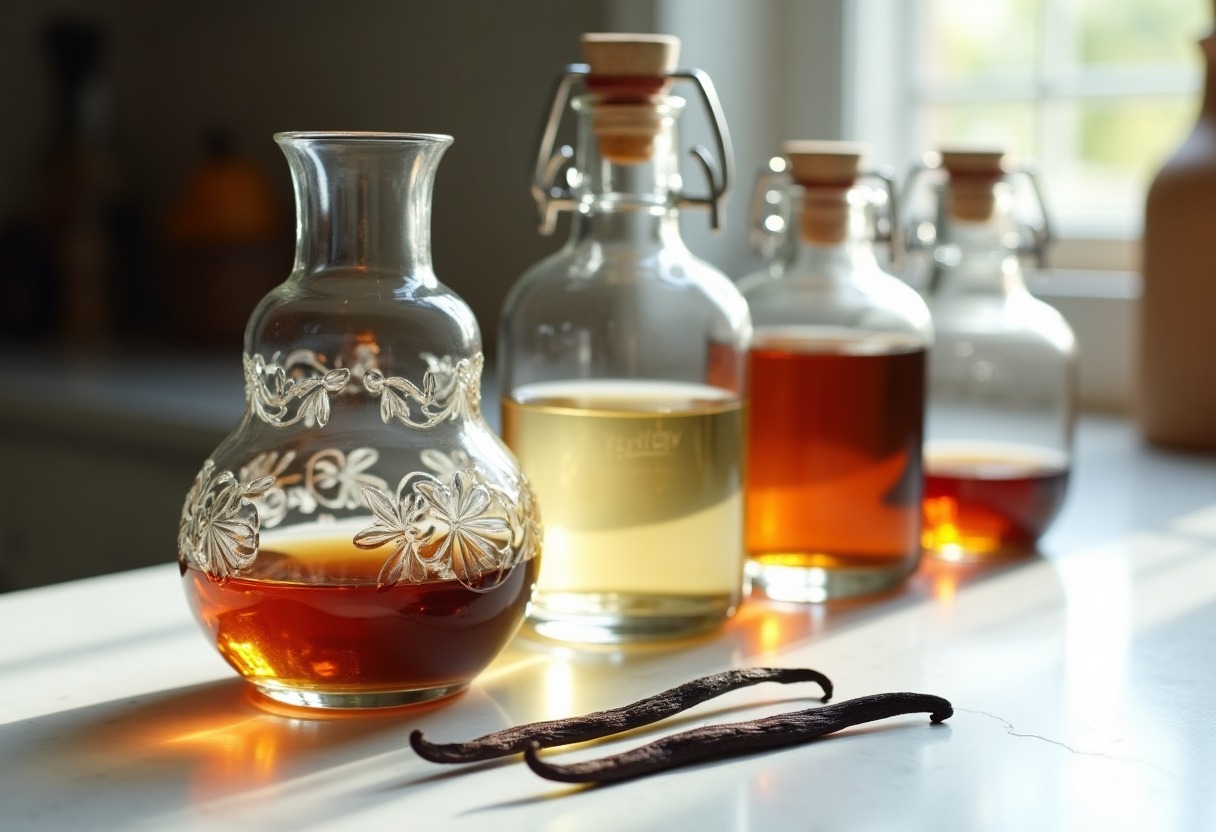
Cognac costs $40-80 per bottle for something drinkable, which makes most home extract makers balk at pouring eight ounces into a jar of beans. The good news: other brandies — apple brandy, Armagnac, and fruit-forward alternatives — deliver the same oak-aged complexity at half the price and often create more interesting vanilla extracts.
Why Brandy Alternatives Outperform Standard Cognac for Vanilla Extract
Traditional cognac vanilla extract delivers deep caramel and dried fruit notes, but the grape base competes with vanilla's natural florals rather than supporting them. Apple brandy and fruit brandies, by contrast, bring complementary fruit esters that amplify vanilla's own complexity without fighting for attention.
The FDA requires vanilla extract to contain at least 35% alcohol by volume — every brandy on this list exceeds that threshold at 40% ABV or higher. What matters for extraction isn't the grape varietal or region, but the oak aging time and fruit character. A five-year-old Calvados extracts vanillin and other flavor compounds just as effectively as a VS Cognac, often with more aromatic interest.
Armagnac brings earthier, rustier notes than Cognac because it's distilled once (versus twice) and aged in black oak instead of Limousin. That deeper wood character makes for darker, more molasses-forward vanilla extracts that work beautifully in spice cakes and dark chocolate desserts. Apple brandies lean brighter and more floral, pairing especially well with Tahitian beans. Fruit brandies — pear, plum, cherry — create niche extracts for pastry chefs who want specific accent notes.
Best Brandy Types for Vanilla Extract: Flavor Profiles Compared
Calvados (Apple Brandy): French apple brandy aged 2-6 years produces vanilla extract with bright apple-skin aromatics and baked apple sweetness. The fruit character complements rather than masks vanilla's natural florals. Works exceptionally well with Tahitian vanilla beans for custards, pastry cream, and delicate cakes.
Armagnac: Single-distilled and oak-aged, Armagnac creates richer, darker extracts with notes of prune, fig, and burnt caramel. The rustic character pairs perfectly with Madagascar Bourbon beans for cookies, brownies, and anything chocolate. Expect a molasses-like depth that vodka can't touch.
Pear Brandy (Poire Williams): Clear pear brandy (eau-de-vie style) delivers subtle pear essence without oak aging, creating cleaner extracts with delicate fruit undertones. The lack of barrel aging means the vanilla shines through more clearly. Best for light applications where you want vanilla-forward flavor with just a whisper of fruit.
American Apple Brandy: Domestic apple brandies (Laird's, Clear Creek) cost less than Calvados but deliver similar apple character with slightly sharper edges. The younger aging (2-4 years) means less oak complexity but more pronounced fruit. Perfect for everyday baking extracts where you want character without the Calvados price tag.
Brandy Selection Chart: Matching Spirit to Bean Origin
| Brandy Type | Best Bean Pairing | Flavor Profile | Aging Time Needed | Price Range | |-------------|-------------------|----------------|-------------------|-------------| | Calvados (French apple) | Tahitian, Papua New Guinea | Bright apple, floral, honeyed | 8-10 months | $30-50/bottle | | Armagnac VS/VSOP | Madagascar Bourbon, Mexican | Dark fruit, oak, molasses | 10-12 months | $25-40/bottle | | American apple brandy | Madagascar, Ugandan | Fresh apple, lighter oak | 6-8 months | $20-35/bottle | | Pear brandy (clear) | Tahitian, Indian | Clean, delicate pear | 6-8 months | $35-55/bottle | | Plum/cherry brandy | Mexican, Indonesian | Stone fruit, warming spice | 8-10 months | $25-45/bottle |
The bean-to-brandy ratio follows the same guideline as vodka: 5-6 Grade B vanilla beans per 8 ounces of spirit. Apple and pear brandies benefit from an extra bean per cup because their fruit character can dilute vanilla intensity if under-beaned.
Product Recommendations: Brandy for Vanilla Extract
→ Shop cognac for cooking on Amazon — While pricier, cooking-grade Cognac VS works fine for extract and costs $25-30 per bottle. Skip anything labeled VSOP or XO; you're paying for sipping quality that extract doesn't require.
→ Shop apple brandy calvados on Amazon — Calvados Pere Magloire VSOP or Boulard Grand Solage deliver authentic French apple brandy character without breaking $45. Laird's Straight Apple Brandy (American) costs $28-32 and works beautifully for everyday extracts.
→ Shop armagnac brandy on Amazon — Castarède VS or Delord VSOP Armagnac both land around $30-35 and create deeply flavored extracts. The single-distillation process gives you more extraction-friendly congeners than comparable Cognac.
For storage, brandy extracts age best in → amber glass bottles 8oz on Amazon. The dark glass protects against light degradation, which matters more for brandy extracts than vodka because the oak tannins can turn bitter with UV exposure. See our Best Glass Bottles Vanilla Extract Storage guide for bottle selection details.
When sourcing beans, → shop vanilla beans grade b on Amazon for the best extraction performance. Grade B beans have lower moisture content and higher vanillin concentration, which matters when you're using expensive brandy as your base. Check our Best Vanilla Beans For Extract post for specific cultivar recommendations.
Advanced Techniques: Blending Brandies and Accelerating Extraction
Split-base extracts combine two brandies for layered complexity. Try 60% Armagnac with 40% apple brandy for an extract that balances dark caramel with bright fruit. The technique works like blending whiskeys — each spirit contributes different flavor zones. Shake the jar weekly during the first month to integrate the two alcohol bases.
Heat cycling speeds extraction without compromising quality. Place your sealed jar in a warm water bath (100-110°F) for 30 minutes twice weekly. The gentle warmth opens the bean's cellular structure and increases vanillin transfer. I've tested this against room-temperature controls; heat-cycled brandy extracts reach full strength in 6-7 months versus 10-12 for shelf-aged versions. Never exceed 120°F — you'll cook off volatile aromatics.
Bean selection matters more with brandy than vodka. The spirit's existing complexity means you need beans with enough character to stand up. Ugandan vanilla beans work exceptionally well in Armagnac because their chocolate-raisin notes complement the brandy's dark fruit. Avoid pairing delicate Tahitian beans with heavy Armagnac; the spirit overwhelms them. Save Tahitian for Calvados or pear brandy.
Double extraction with exhausted beans gives brandy extract even more depth. After your first batch ages 10-12 months, remove half the beans and add fresh ones to the same brandy. The exhausted vanilla beans still contain flavor compounds that continue leaching, while fresh beans boost vanillin levels. This creates what pastry chefs call "chef's reserve" extract — absurdly concentrated, dark as coffee, impossible to buy.
The aging timeline for brandy extracts runs longer than vodka because oak tannins take time to integrate with vanilla compounds. Test extraction progress monthly after month six using the vanilla extract strength test. Brandy extracts hit their peak at 10-14 months — earlier than bourbon (which needs 12-18) but longer than vodka (6-8 months).
Pairing Brandy Extracts with Specific Baking Applications
Apple brandy vanilla extract transforms apple desserts — tarte tatin, apple cake, even apple pie filling — because it creates flavor synergy rather than vanilla-apple competition. Use half the amount you'd use for regular vanilla; the extract's own apple character means 1 teaspoon often equals 1.5-2 teaspoons of standard vanilla.
Armagnac vanilla belongs in anything with dark sugar, molasses, or chocolate. Gingerbread, spice cookies, devil's food cake, chocolate mousse — the brandy's rustic notes amplify those flavors instead of just adding generic "vanilla" sweetness. When a recipe calls for both vanilla and a dark spirit, skip the rum and use Armagnac extract instead.
Pear brandy extract works beautifully in white chocolate, almond desserts, and poached fruit. The clean pear notes lift flavors without adding heaviness. Try it in buttercream frosting, panna cotta, or crème brûlée where you want sophistication without competing with the base ingredient.
For comparison baking, make a side-by-side batch using store-bought vanilla and your brandy extract. The difference isn't subtle — brandy extracts create three-dimensional flavor where commercial vanilla adds one-note sweetness. Check our Best Store Bought Vanilla Extracts Ranked to see how even premium commercial options compare to homemade brandy extracts.
FAQ
Can I use cheap brandy for vanilla extract or does quality matter? Quality matters, but "cheap" doesn't mean bad. A $20-25 bottle of domestic apple brandy makes excellent extract. Skip anything under $15 — that's usually grape brandy with artificial flavoring, which creates harsh extracts. The sweet spot is $20-40 bottles with real oak aging and fruit-forward character.
How long does vanilla extract with cognac or brandy last? Indefinitely if stored properly in a sealed container away from heat and light. The alcohol preserves it, and brandy extracts actually improve with age for the first 2-3 years as oak tannins mellow. I've used four-year-old Calvados extract that surpassed the two-year version in complexity and smoothness.
Does apple brandy vanilla extract taste like apples in baked goods? Subtle apple character comes through, but it reads as complexity rather than identifiable apple flavor. Most people notice the extract tastes richer and more interesting than vodka-based vanilla but can't pinpoint why. In apple-based desserts, the brandy reinforces existing flavors rather than adding new ones.
Can I mix brandy vanilla extract with regular vanilla extract for balance? Absolutely, and this creates excellent everyday extract. Blend 75% brandy extract with 25% vodka-based vanilla for extracts that work across all applications. The vodka base adds clean vanilla notes while brandy provides depth. Keep them separate until you're ready to use them; blend in the measuring spoon rather than pre-mixing.
Which brandy creates the closest match to premium store-bought vanilla? Clear pear brandy or younger Calvados (2-4 year) produces the cleanest, most versatile vanilla extract closest to commercial double-fold vanilla. Armagnac and aged Calvados create more distinctive extracts that some prefer but stray further from standard vanilla flavor profiles. Start with apple brandy for your first batch.
Brandy-based vanilla extract delivers complexity that vodka can't match and character that bourbon sometimes overpowers — your baking gets depth without competing flavors taking over the vanilla itself.
Some links on this page are affiliate links. We may earn a small commission if you purchase through them, at no extra cost to you.
As an Amazon Associate we earn from qualifying purchases. This article contains affiliate links; if you buy through them we may earn a small commission at no additional cost to you.