
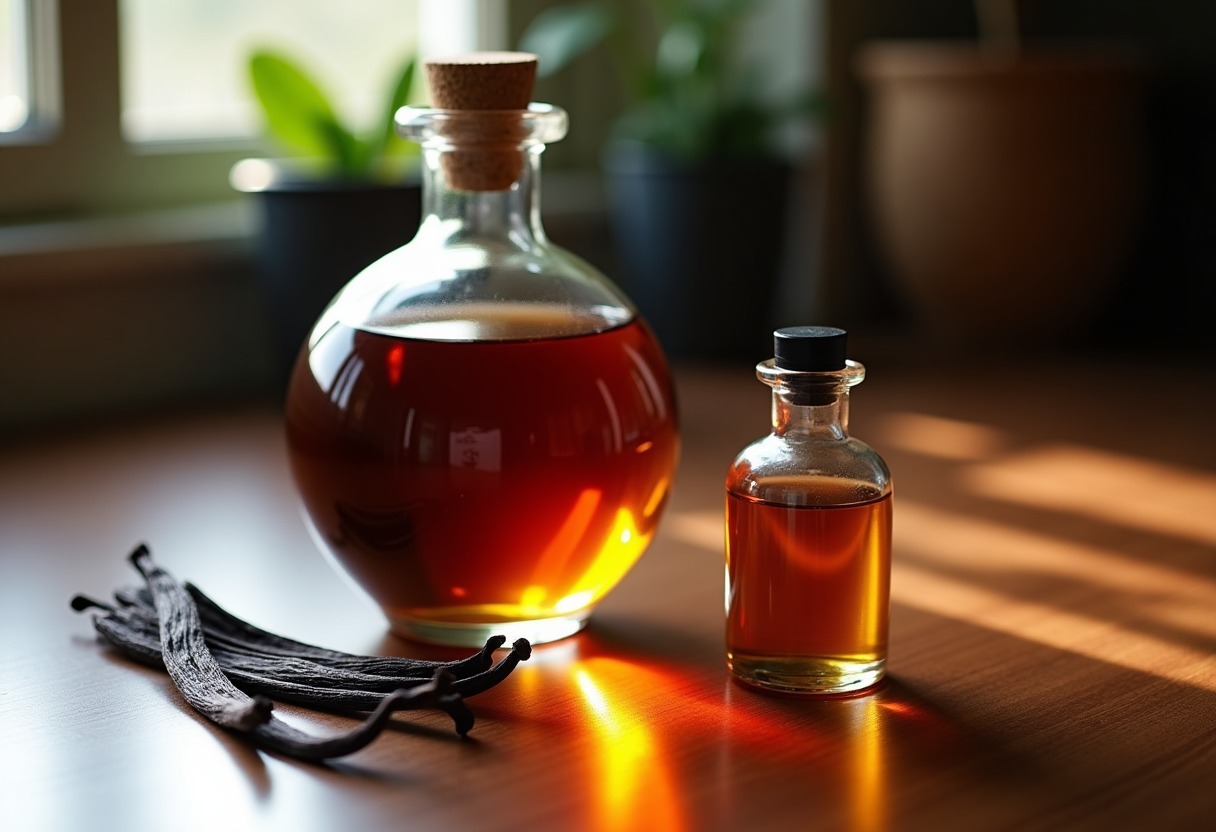
Brandy transforms vanilla extract from straightforward to layered, adding dried fruit notes and subtle oak complexity that vodka and rum can't match. The spirit's grape base creates a foundation that enhances vanilla's natural fruity esters rather than competing with them, making brandy-based extract particularly effective in baked goods with butter, caramel, or stone fruit.
Why Brandy Works Exceptionally Well for Vanilla Extract
Brandy's distillation from wine gives it residual compounds that complement vanillin extraction. The spirit typically contains trace amounts of congeners — flavor molecules from fermentation — that interact with vanilla's 250+ aromatic compounds during aging. This creates depth you won't get from neutral spirits like vodka.
The alcohol content matters significantly. Most VS (Very Special) brandies sit between 40-42% ABV, which falls within the FDA's minimum 35% requirement for pure vanilla extract. Higher-proof brandies extract faster but can overwhelm vanilla's delicate notes. Standard-proof brandy strikes the right balance for home extraction, pulling vanillin and other flavor compounds at a steady rate over 8-12 weeks.
Cognac, a specific type of brandy from France's Cognac region, offers the most refined option but costs 2-3 times more than domestic brandy. For vanilla extract, the difference becomes negligible after aging. A quality VS brandy from California or Spain delivers comparable results at half the price. Save aged cognacs for sipping — vanilla beans will mask the subtle distinctions between a $30 VS and a $90 VSOP.
The Core Recipe: Bean-to-Brandy Ratios
The standard ratio for brandy vanilla extract is 6-8 beans per cup (8 oz) of spirit. Brandy's existing flavor profile means you can use slightly fewer beans than you would for vodka without sacrificing extraction strength. Start with 6 beans for maintenance-level extract; use 8 if you want concentrated flavor for professional-level baking.
Bean choice matters. Madagascar beans provide classic creamy vanilla that harmonizes with brandy's fruit notes. Mexican beans add spice that plays well with brandy's oak undertones. Tahitian beans create a floral-fruity combination that some find too perfumed with brandy — stick to Madagascar or Mexican origins for brandy-based extracts. For detailed origin comparisons, see our guide on Madagascar Vs Tahitian Vanilla Beans.
Split your beans lengthwise before submerging. This exposes the seed caviar and increases surface area for extraction. Some extractors cut beans into 1-inch segments for even faster infusion, but whole split beans look more impressive in gift bottles and allow better bean reuse later. Learn more about preparation techniques in How To Make Homemade Vanilla Extract.
→ Shop Madagascar vanilla beans grade B on Amazon
Brandy Selection Guide for Vanilla Extract
| Brandy Type | Flavor Profile | Price Range | Best For | |-------------|---------------|-------------|----------| | VS Cognac | Grape, oak, dried apricot | $35-50/750ml | Gift extracts, special occasion baking | | Spanish Brandy (Brandy de Jerez) | Raisiny sweetness, sherry notes | $20-30/750ml | Rich desserts, holiday cookies | | California Brandy | Clean grape, light oak | $12-18/750ml | Everyday baking, first-time extraction | | Armenian Brandy | Fruit-forward, slight spice | $25-35/750ml | Complex layer cakes, custards |
California brandy from producers like E&J or Paul Masson provides the cleanest canvas for vanilla. These spirits undergo shorter aging, giving you pure grape character without competing oak tannins. They work particularly well if you're making extract for someone who doesn't drink — the brandy flavor stays in the background.
Spanish brandies aged in former sherry casks add an extra dimension of dried fruit and nuttiness. This style suits fall baking — pumpkin pies, spice cakes, and anything with brown sugar. The sherry influence amplifies molasses and caramel notes in recipes.
Skip anything labeled "flavored brandy" or "brandy liqueur." These contain added sugars and artificial flavoring that will cloud your extract and create off-tastes during aging. Stick to pure grape brandy at 40% ABV minimum.
→ Shop VS cognac brandy on Amazon
Step-by-Step Extraction Process
Gather your supplies: 6-8 vanilla beans, 8 oz brandy, one amber glass bottle with tight seal, and a sharp knife. Glass quality matters more than most guides admit — cheap bottles with poor seals allow alcohol evaporation that concentrates the extract unpredictably. For vetted storage options, check Best Glass Bottles Vanilla Extract Storage.
Split each bean lengthwise, leaving one end intact so the bean stays in one piece. Place split beans in your bottle and pour brandy over them until they're completely submerged. Beans will float initially — that's normal. Seal tightly and label with the start date and brandy type.
Store in a cool, dark cabinet away from heat sources. Temperature fluctuations slow extraction and can create off-flavors as alcohol expands and contracts in the bottle. Avoid the impulse to store it where you can watch it — consistent darkness beats visual monitoring.
Shake the bottle vigorously every 3-4 days for the first month, then weekly after that. This agitation redistributes settled vanillin and prevents stratification where the bottom tastes stronger than the top. Each shake releases more compounds from the bean caviar into the liquid.
→ Shop amber glass bottles 8oz on Amazon
Aging Timeline and Flavor Development
Week 2-3: Extract turns light brown; brandy aroma dominates with faint vanilla background. Not ready for use — extraction has barely started.
Week 6-8: Deep amber color develops; vanilla becomes prominent with brandy as supporting note. Usable at this stage for robust baking like chocolate cakes where extract isn't the star.
Week 12-16: Full extraction complete. Color deepens to dark mahogany; vanilla and brandy fully integrate into complex, layered flavor. This is minimum age for cakes, cookies, and custards where vanilla plays a lead role.
Month 6+: Peak complexity. The extract develops subtle caramel notes from slow oxidation and Maillard-like reactions between vanilla compounds and brandy congeners. Worth the wait for wedding cakes, macaron fillings, and high-end pastry work.
Brandy extracts age more slowly than vodka-based versions because the existing flavor compounds slow vanillin diffusion rates. A vodka extract might be ready at 8 weeks; the same bean ratio in brandy needs 12-14 weeks minimum. Factor this into your timeline if you're making extract for holiday baking. More details on timing in Vanilla Extract Aging Time.
Using Brandy Extract in Recipes: Practical Considerations
Brandy vanilla extract works best in recipes where you want depth beyond straight vanilla. It excels in:
- Buttercream frostings and pastry creams (the fruity notes complement butter's fatty richness)
- Caramel and toffee desserts (brandy's oak tannins enhance burnt sugar)
- Stone fruit desserts — peach cobblers, plum tarts (grape-to-fruit synergy)
- French-style cakes and tortes (natural pairing with European baking traditions)
It performs less well in delicate applications where you want pure vanilla: angel food cake, vanilla bean panna cotta, white chocolate mousse. For those recipes, consider vodka-based extract as discussed in Best Vodka For Vanilla Extract 2026.
Substitute brandy extract 1:1 for any vanilla extract called for in recipes. The alcohol bakes off completely, leaving only flavor compounds. In no-bake applications like whipped cream or cold mousses, use 25% less brandy extract than you would vodka extract — the brandy flavor remains more pronounced without heat to mellow it.
For optimal flavor, keep your bottle between 50-70% full. As you use extract, top it off with fresh brandy every few months rather than waiting until the bottle empties. This technique, sometimes called the "perpetual extract method," maintains consistent strength and flavor. Learn about bean reuse in Reuse Vanilla Beans After Extract.
→ Shop glass dropper bottles on Amazon
Advanced Techniques Most Guides Miss
Double extraction with brandy creates exceptionally concentrated extract for professional pastry work. Start your first batch with 8 beans per cup of brandy. After 12 weeks, strain out the beans but don't discard them — these are your exhausted vanilla beans. Add 6-8 fresh beans to that already-vanilla-infused brandy. Age another 12 weeks. The result: extract with nearly twice the vanillin content of single extraction, deep enough to stand up to chocolate, coffee, and bold spices.
Blending brandies creates custom flavor profiles. Mix 75% California brandy with 25% Spanish brandy for extract with subtle raisin undertones. Combine equal parts cognac and domestic brandy for gift-worthy extract at reasonable cost. Always mix brandies before adding beans rather than trying to blend different extracts later.
Temperature manipulation speeds extraction without sacrificing quality. After your extract reaches the 4-week mark, place the sealed bottle in a warm spot (75-80°F) for 2-3 weeks, then return it to cool storage. This brief warmth boost accelerates compound diffusion. Never exceed 85°F — higher temperatures degrade vanillin and create harsh alcohol notes.
Save your beans after 12 months of extraction. Brandy-soaked beans work beautifully in vanilla sugar, ground into vanilla powder, or added whole to coffee beans for naturally flavored coffee. The brandy preservation means beans stay pliable and aromatic far longer than fresh beans stored dry.
Consider copper funnels for bottling finished extract into gift containers. Copper's antimicrobial properties and non-reactive surface prevent flavor contamination when transferring between bottles. The material also grounds static that can attract dust particles during pouring.
→ Shop copper funnel stainless on Amazon
FAQ
Can I use VSOP or XO cognac for vanilla extract? You can, but it's wasteful. The nuanced aging characteristics that make expensive cognacs special — floral esters, subtle spice notes, complex oak integration — disappear when mixed with vanilla beans. A $25 VS brandy produces extract indistinguishable from $100 XO after 12 weeks of aging.
How does brandy extract compare to rum-based vanilla? Brandy creates a more refined, fruit-forward extract while rum adds molasses and tropical notes. Brandy suits French pastries, caramels, and butter-heavy desserts. Rum works better in spice cakes, tropical desserts, and recipes with coconut or banana. For rum specifics, see How To Make Vanilla Extract With Rum.
Will brandy extract taste boozy in no-bake desserts? Slightly, yes. The alcohol doesn't evaporate in cold applications, leaving faint brandy flavor alongside vanilla. This works well in tiramisu, boozy whipped cream, or adult ice cream bases. For completely alcohol-free applications, let no-bake mixtures sit refrigerated for 24 hours before serving — some alcohol will evaporate even at cold temperatures.
Can I mix brandy with other alcohols in the same extraction? Technically yes, but it muddies the flavor profile without adding benefits. If you want complexity, stick to 100% brandy and choose your beans carefully. Madagascar beans deliver different results than Mexican or Tahitian. Blend different bean origins rather than different spirits for more controlled flavor development.
Does brandy extract go bad faster than vodka extract? No. The alcohol content preserves both equally well. Brandy's additional flavor compounds don't affect shelf stability. Properly stored in amber glass away from light and heat, brandy vanilla extract lasts 5+ years without quality loss. Watch for signs in Vanilla Extract Gone Bad if you notice changes.
The Brandy Difference
Brandy-based vanilla extract brings sophistication that vodka can't match and subtlety that rum often overpowers — it's the choice for bakers who want complexity without showiness in every bite.
Some links on this page are affiliate links. We may earn a small commission if you purchase through them, at no extra cost to you.
As an Amazon Associate we earn from qualifying purchases. This article contains affiliate links; if you buy through them we may earn a small commission at no additional cost to you.