
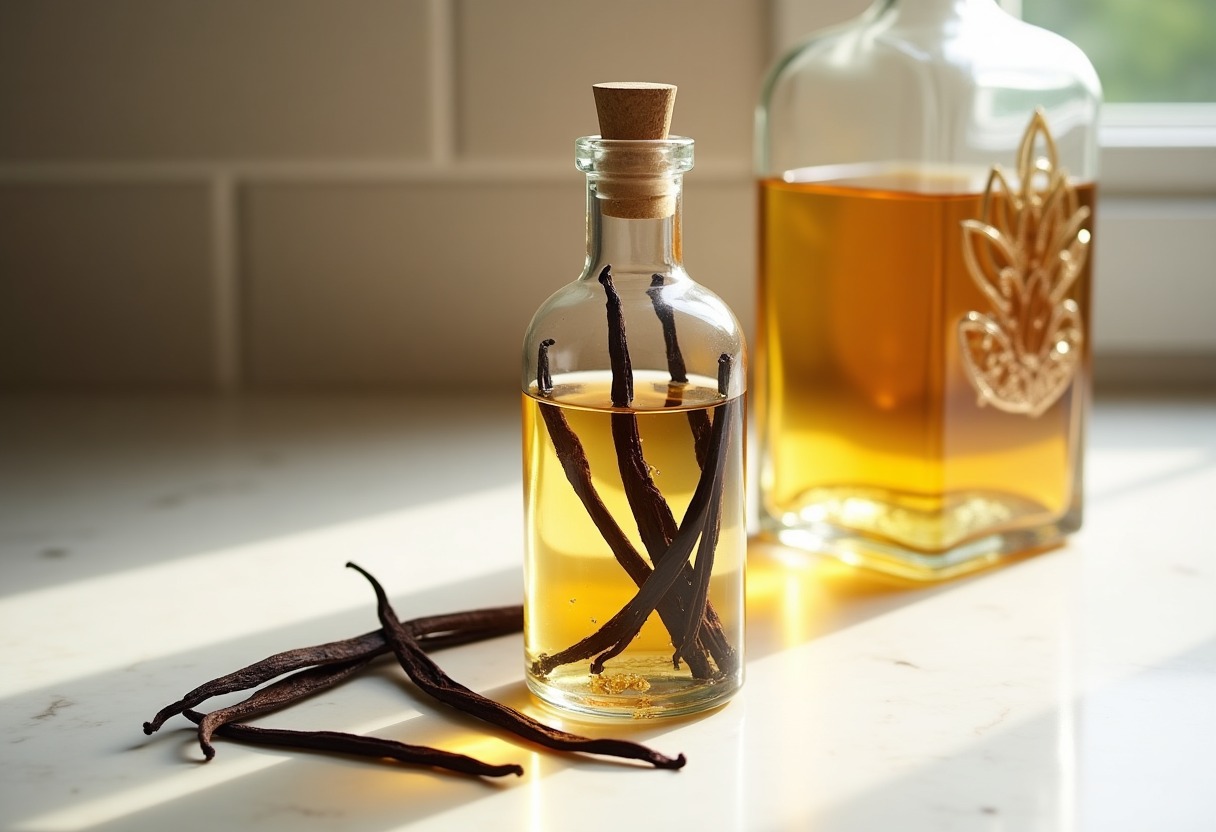
Tequila brings a distinct earthy, vegetal character to vanilla extract that vodka can't match — agave's herbaceous bite cuts through the sweetness of vanilla and adds a subtle pepper note that works exceptionally well in spiced desserts, chocolate applications, and Mexican-inspired baking. Most extract makers stick to neutral spirits, but tequila creates a profile worth exploring if you want complexity beyond the standard vanilla baseline.
Why Tequila Works for Vanilla Extract
Alcohol extracts vanillin and other flavor compounds from vanilla beans through a process called maceration, where ethanol dissolves the lipophilic (fat-soluble) molecules responsible for vanilla's characteristic aroma. The FDA requires vanilla extract to contain at least 35% alcohol by volume, which means any distilled spirit at or above 70 proof works chemically.
Tequila's advantage isn't neutral extraction — vodka handles that better — but its additive flavor contribution. The agave base introduces grassy, mineral-forward notes with a faint peppery finish. Depending on aging, tequila can also add oak, caramel, or smoky undertones that layer into the vanilla profile rather than competing with it.
This matters most in recipes where vanilla isn't the solo flavor: mole-spiced brownies, Mexican hot chocolate, tres leches cake, churro-inspired desserts. The agave backbone reinforces rather than masks the vanilla, creating a regionally coherent flavor that tastes intentional rather than accidental.
Choosing the Right Tequila Type
Not all tequila works equally well for vanilla extract. The aging process and additive profile change how the spirit interacts with vanilla beans.
Blanco (silver) tequila is unaged or aged less than two months. It preserves the raw agave flavor — bright, grassy, slightly sharp — without introducing wood or oxidation notes. Blanco creates the cleanest tequila-vanilla profile and is the best choice if you want maximum vanilla clarity with a subtle agave accent. Use this for extracts destined for lighter applications: sugar cookies, shortbread, vanilla bean ice cream.
→ Shop blanco tequila bottles on Amazon
Reposado tequila rests in oak barrels for two to twelve months, picking up caramel, vanilla (yes, from the barrel wood), and light spice notes. This creates a more complex extract with layered sweetness, but the barrel influence can muddy the vanilla bean character if overly prominent. Reposado works well in baked goods with brown sugar, cinnamon, or chocolate, where the oak tones blend into the recipe rather than standing out.
→ Shop reposado tequila on Amazon
Añejo and extra añejo (aged 1–3+ years) introduce heavy oak, dark fruit, and oxidative complexity. These overwhelm vanilla beans rather than supporting them. Skip these for extract work — the aging premium isn't worth the cost, and the barrel dominance fights the vanilla instead of enhancing it.
For first-time tequila extract makers, start with a mid-shelf blanco. You're not drinking this neat, so ultra-premium bottles add little value. Look for 100% agave tequila (not mixto) to avoid artificial flavoring and caramel coloring that can throw off the final extract.
Tequila vs. Vodka: Flavor Profile Comparison
| Aspect | Tequila Extract | Vodka Extract | |--------|----------------|---------------| | Flavor baseline | Earthy agave, vegetal, subtle pepper finish | Neutral, clean, pure vanilla forward | | Best applications | Mexican desserts, chocolate, spiced baking, dark sauces | All-purpose baking, delicate pastries, frostings, custards | | Aging time to peak | 4–6 months (agave mellows, vanilla integrates) | 3–4 months (vanilla dominates quickly) | | Bean pairing priority | Mexican, Ugandan, or Tahitian beans | Any origin, particularly Madagascar and Bourbon |
The key difference: tequila adds a supporting flavor layer, while vodka stays out of the way. If you're making a single extract to use across all recipes, vodka is the safer choice (see Best Vodka For Vanilla Extract 2026 for specific recommendations). If you're building a rotation of specialized extracts for specific applications, tequila earns its spot alongside rum and bourbon variants.
Bean Pairing Recommendations for Tequila
Tequila's earthy profile pairs best with beans that have complementary or contrasting characteristics rather than soft, creamy profiles that get lost.
Mexican vanilla beans are the most regionally coherent choice. They bring bold, spicy, woody notes with a slight smokiness that mirrors tequila's vegetal character. The pairing feels intentional — agave spirit with Mexican beans creates a flavor profile that tastes like it belongs together. This is the best option for tres leches, Mexican wedding cookies, or any recipe where you want an identifiable regional stamp.
→ Shop mexican vanilla beans on Amazon
Ugandan vanilla beans offer a rich, chocolate-forward profile with creamy body and a mild spice finish. The chocolate undertones work exceptionally well with tequila's peppery bite, especially in brownies, mole-based desserts, or chocolate ganache. Ugandan beans are also more affordable than Tahitian, making them a strong value choice for tequila extract. For more detail on these beans, see Ugandan Vanilla Beans Review 2026.
Tahitian vanilla beans bring floral, fruity, cherry-like notes that contrast with tequila's earthiness. This creates a more complex, less predictable extract — the floral sweetness tempers the agave bite, producing a rounder profile that works in recipes with stone fruit, berries, or light custards. Tahitian beans are expensive, so reserve this pairing for small batches or special-occasion extracts.
Avoid Madagascar (Bourbon) vanilla beans with tequila unless you specifically want the classic creamy-sweet vanilla profile with an agave accent. Madagascar beans are so assertive that they dominate the tequila, making the spirit choice almost irrelevant. If you're using Madagascar, vodka is a better match (covered in Best Bourbon Vanilla Beans 2026).
Tequila Vanilla Extract Recipe
This recipe produces a full-strength extract at FDA compliance levels (35% ABV minimum) with optimal bean-to-spirit ratio for balanced flavor.
Ingredients:
- 1 cup (240 ml) blanco or reposado tequila, 80 proof minimum
- 5–6 vanilla beans (Grade A or Grade B, see Grade A Vs Grade B Vanilla Beans)
- 8 oz glass bottle with tight seal
→ Shop glass extract bottles on Amazon
Instructions:
-
Split the beans lengthwise with a sharp knife, leaving one end intact. Scrape out some (not all) of the caviar if using Grade A beans — the paste speeds initial extraction but isn't required.
-
Cut beans to fit the bottle. Most 8 oz bottles accommodate 4-inch bean pieces. Cutting creates more surface area for extraction but isn't mandatory if your bottle is tall enough for whole beans (see Split Vanilla Beans Extract for technique details).
-
Place beans in the bottle, pour tequila over them until beans are fully submerged. Beans may float initially — this is normal. Seal tightly.
-
Store in a cool, dark cabinet (not the refrigerator). Shake the bottle once a week for the first month, then every two weeks thereafter.
-
Age for 4–6 months minimum. Tequila extract takes slightly longer than vodka to mellow — the agave bite softens and integrates with vanilla over time. For aging benchmarks, reference Vanilla Extract Aging Time.
-
Test for readiness by smelling and tasting a small amount. You should get vanilla first, followed by a clean agave finish without harsh alcohol burn. If it's still sharp, age another month.
-
Do not strain the beans out. They continue adding flavor indefinitely. Top off the bottle with fresh tequila as you use extract — this technique is called perpetual vanilla (see Reuse Vanilla Beans After Extract).
For storage best practices and bottle recommendations, see Best Glass Bottles Vanilla Extract Storage.
Advanced Techniques: Double Extract and Blending
Double extraction uses two types of alcohol sequentially to pull out both water-soluble and alcohol-soluble compounds. Start with a 50/50 blend of tequila and water (bringing the ABV down to around 40%), then after two months, add pure tequila to bring it back up to 35–40% ABV. This creates a fuller-bodied extract with more complex mouthfeel, though the technique works better with vodka or rum than tequila. For full instructions, see Double Extract Vanilla Beans.
Blending tequila with vodka (50/50 ratio) creates a middle-ground extract with subtle agave notes but more neutral versatility. This is useful if you want a hint of tequila character without committing to a fully agave-forward profile. Use the same bean ratio (5–6 beans per cup of blended spirit) and age for 4 months minimum.
Exhausted bean reuse: After 6–12 months, beans lose most of their flavor but still have residual vanillin. You can transfer these to a second batch with fresh tequila to create a milder "second-pull" extract for everyday baking. This stretches your bean investment without sacrificing quality in your primary extract. More detail at Exhausted Vanilla Beans Extract.
Product Recommendations
Tequila: Choose a mid-shelf 100% agave blanco (Espolòn, Cimarrón, or Olmeca Altos work well). Avoid mixto tequilas — they contain added sugars and caramel coloring that can cloud your extract and introduce off-flavors.
Vanilla beans: For tequila extract, prioritize Mexican or Ugandan beans. Expect to pay $1.50–$3 per bean for quality Grade B pods, which have slightly lower moisture but higher concentrated flavor than Grade A. Buy in bulk if making multiple batches.
→ Shop vanilla bean pods on Amazon
Bottles: Use amber or cobalt glass to protect extract from light degradation. Bottles with tight screw caps or cork stoppers work better than flip-top lids, which can allow slow evaporation over long aging periods.
Tools: A sharp paring knife for splitting beans, a small funnel for pouring tequila without spills, and adhesive labels to mark the start date and bean type. No specialized equipment needed beyond standard kitchen tools.
FAQ
How long does tequila vanilla extract last? Indefinitely if stored properly in a sealed bottle away from direct light and heat. The high alcohol content (35%+) prevents bacterial growth, and the beans continue contributing flavor for years. Extract doesn't spoil — it may mellow or deepen over time, but it remains safe to use. Reference Vanilla Extract Gone Bad for signs of rare spoilage.
Can I use silver tequila instead of reposado? Yes — blanco (silver) tequila is actually the preferred choice for most extract applications. It gives you pure agave character without barrel influence, letting the vanilla beans shine more clearly. Reposado works if you want added oak complexity, but blanco is the more versatile option for first batches.
Does tequila extract taste like alcohol in baked goods? No. The alcohol burns off during baking above 175°F, leaving only the vanilla and subtle agave flavor compounds. In no-bake applications (frostings, whipped cream), you'll notice a faint tequila presence, but it reads as depth rather than boozy sharpness if the extract has aged properly for 4+ months.
How does tequila vanilla compare to store-bought Mexican vanilla? Most commercial "Mexican vanilla" sold in tourist areas contains coumarin (from tonka beans) rather than real vanilla, which is banned in the US due to health concerns. Homemade tequila extract uses real beans and avoids those additives entirely. For more on commercial options, see Best Store Bought Vanilla Extracts Ranked.
Can I speed up the aging process by heating the extract? No. Heat can degrade delicate vanillin compounds and create a cooked rather than extracted flavor. Patience produces better results — the slow maceration at room temperature extracts the full spectrum of vanilla's 250+ flavor compounds without damaging them. Trust the timeline and shake regularly instead.
Tequila vanilla extract isn't a replacement for your everyday vodka-based version — it's a specialized tool for recipes where earthy, agave-accented vanilla makes the dish better rather than just different.
Some links on this page are affiliate links. We may earn a small commission if you purchase through them, at no extra cost to you.
As an Amazon Associate we earn from qualifying purchases. This article contains affiliate links; if you buy through them we may earn a small commission at no additional cost to you.